
Luxury has always been a language.
A language expressed through materials, craftsmanship, rarity, and time.
For centuries, silk traveled along ancient trade routes. Cashmere crossed mountain frontiers. Precious stones moved between empires. Each carried stories far greater than the objects themselves.
Today, however, a new question increasingly accompanies the world’s most exclusive products:
Where did this come from?
Not simply geographically.
But ethically.
Ecologically.
Culturally.
In an era defined by conscious consumption and quiet luxury, provenance has become as valuable as the object itself.
Few materials embody this evolution more completely than vicuña fiber.
Often described as the finest natural fiber on Earth, vicuña wool has long occupied a mythical place within the world of luxury. Its extraordinary softness, rarity, and exclusivity have made it one of the most coveted materials in high fashion. A single garment can command prices comparable to fine jewelry.
Yet the true story of vicuña does not begin in the ateliers of Milan or the boutiques of Paris.
It begins much higher.
Far above the tree line.
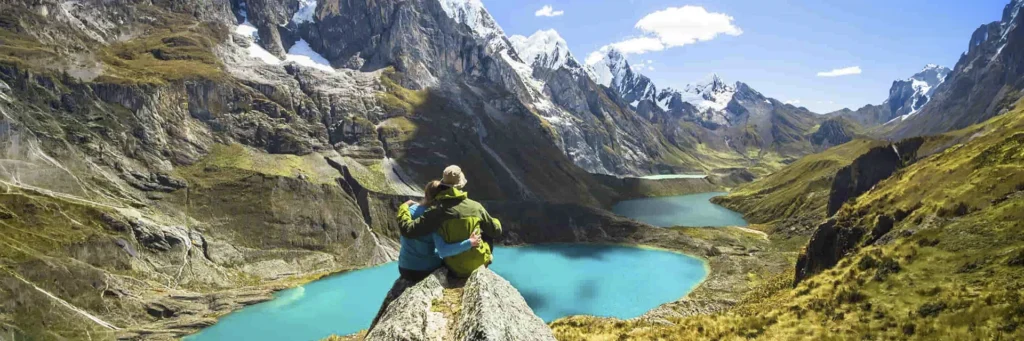
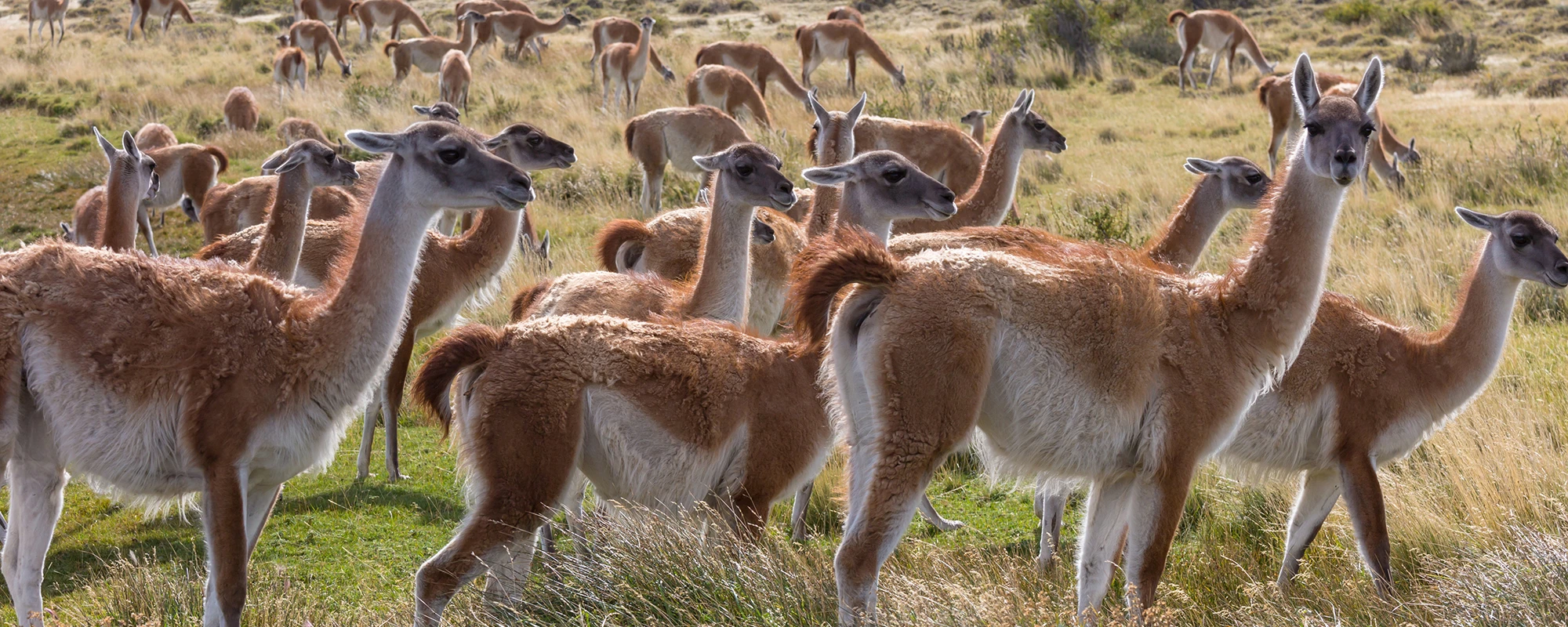
In the windswept grasslands of the Peruvian Andes.
The Animal That Belonged to the Gods
Long before vicuña fiber became associated with luxury fashion, the animal itself occupied a sacred place within the Andean world.
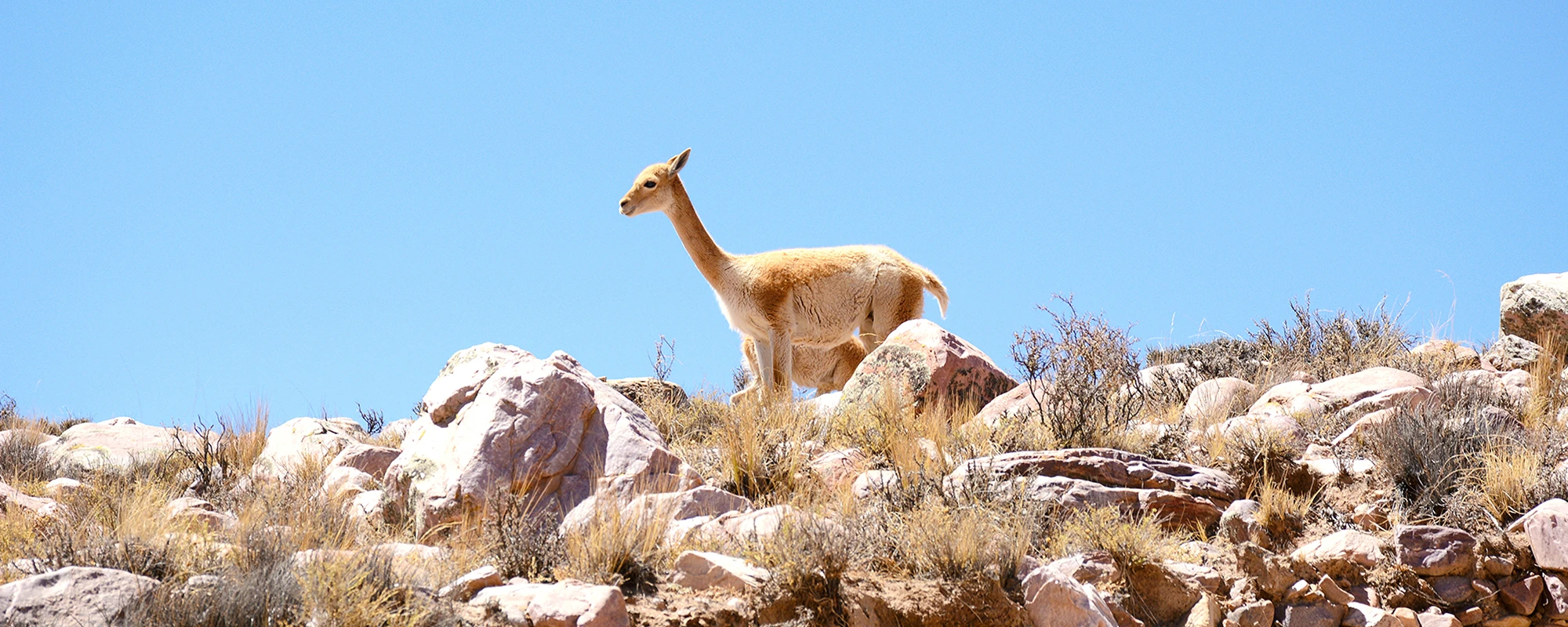
Graceful, alert, and remarkably adapted to life at extreme altitude, vicuñas roam the puna — the vast high-altitude grasslands that stretch across southern Peru. Here, at elevations exceeding 4,000 meters above sea level, temperatures fluctuate dramatically, oxygen becomes scarce, and survival demands extraordinary resilience.
To the Incas, the vicuña was not simply wildlife.
It was a gift.
A creature closely associated with the divine order of nature.
Historical accounts suggest that vicuña fiber was reserved almost exclusively for royalty and nobility. Unlike other camelids, vicuñas were never domesticated. They remained wild, free-ranging animals protected by strict regulations and ceremonial practices.
Possessing vicuña fiber was not merely a sign of wealth.
It was a symbol of stewardship.
A recognition that true value could only exist through respect for the natural world.
A Fiber Measured in Microns
To understand why vicuña occupies such a singular position within luxury fashion, one must first understand the fiber itself.
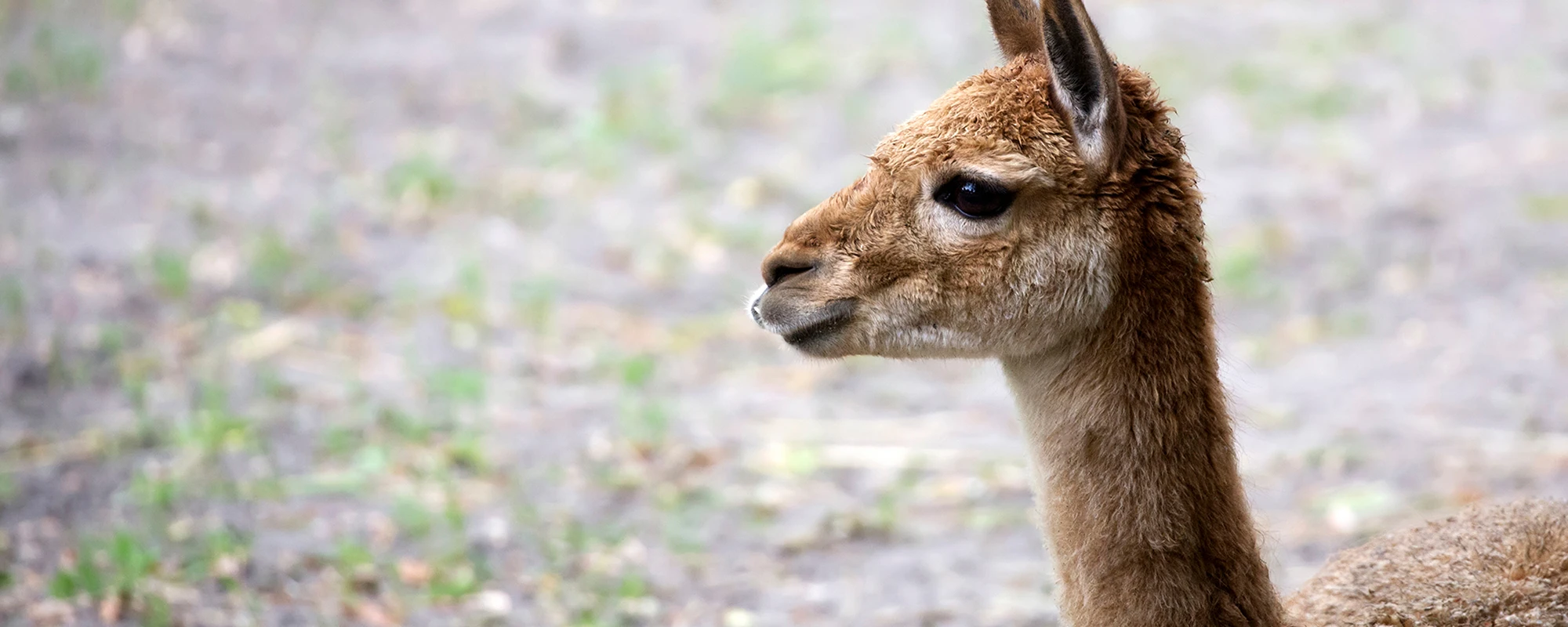
The fleece of the vicuña is extraordinarily fine, measuring approximately 12 microns in diameter. By comparison, premium cashmere typically ranges between 14 and 19 microns.
The difference may seem insignificant.
It is not.
At this level of refinement, fractions of a micron transform texture, softness, and performance.
The resulting fiber possesses an almost ethereal quality.
Lightweight.
Exceptionally warm.
Remarkably soft.
Yet the rarity extends beyond its physical characteristics.
A vicuña produces only a small quantity of usable fiber every few years. Harvesting occurs under carefully regulated conditions designed to ensure the well-being of the animals and the sustainability of wild populations.
This scarcity is not manufactured.
It is biological.
And that distinction matters.
Because true luxury is often defined not by exclusivity alone, but by natural limitation.
The Chaccu: Conservation Through Community
Perhaps the most remarkable aspect of the vicuña story is that it is fundamentally a conservation success story.
By the mid-twentieth century, uncontrolled hunting had pushed vicuña populations toward the brink of extinction. Across the Andes, numbers collapsed dramatically as international demand for the fiber grew.
Many believed the species might disappear entirely.
Instead, something extraordinary happened.
Communities, governments, conservation organizations, and local custodians came together to revive an ancient tradition known as the Chaccu.
The Chaccu is both ceremony and conservation strategy.
Rooted in pre-Columbian practices, it involves the collective gathering of wild vicuñas through carefully coordinated human chains that guide the animals into temporary enclosures. Once gathered, they are gently shorn and then immediately released back into the wild.
No animal is harmed.
No domestication occurs.
The vicuña remains free.
The community benefits.
The ecosystem remains intact.
It is a model that challenges conventional assumptions about luxury production.
Rather than extracting value from nature, it creates value by protecting it.
From the Puna to the Runway
The journey of vicuña fiber is remarkably long.
After shearing, the raw fiber undergoes meticulous sorting and processing. Every stage demands extraordinary expertise. Impurities are removed by hand. Fibers are selected according to exacting standards. Spinning and weaving require specialized techniques developed over generations.
Only then does the material begin its transformation into garments.
A coat.
A scarf.
A jacket.
Objects whose simplicity often conceals the complexity behind their creation.
In the ateliers of Europe, vicuña has become synonymous with the highest levels of craftsmanship. Its understated elegance aligns perfectly with the philosophy of contemporary quiet luxury — a world increasingly defined by discretion rather than display.
Yet understanding the material changes one’s relationship with it.
A vicuña garment is no longer simply a product.
It becomes a narrative.
A landscape.
A species.
A community.
A conservation effort.
A living ecosystem woven into fabric.
Luxury and Responsibility
The future of luxury increasingly depends upon transparency.
Consumers who once asked what something costs now ask different questions.
Who made it?
Where did it come from?
What impact does it create?
What values does it represent?
Few luxury materials can answer those questions as compellingly as vicuña.
Its continued existence depends upon healthy ecosystems.
Its value depends upon responsible management.
Its future depends upon the communities that protect it.
In this sense, vicuña represents more than sustainable fashion.
It represents a different philosophy of ownership.
One where privilege carries responsibility.
One where rarity encourages stewardship.
One where beauty emerges not from exploitation, but from balance.
The Quiet Majesty of the Highlands
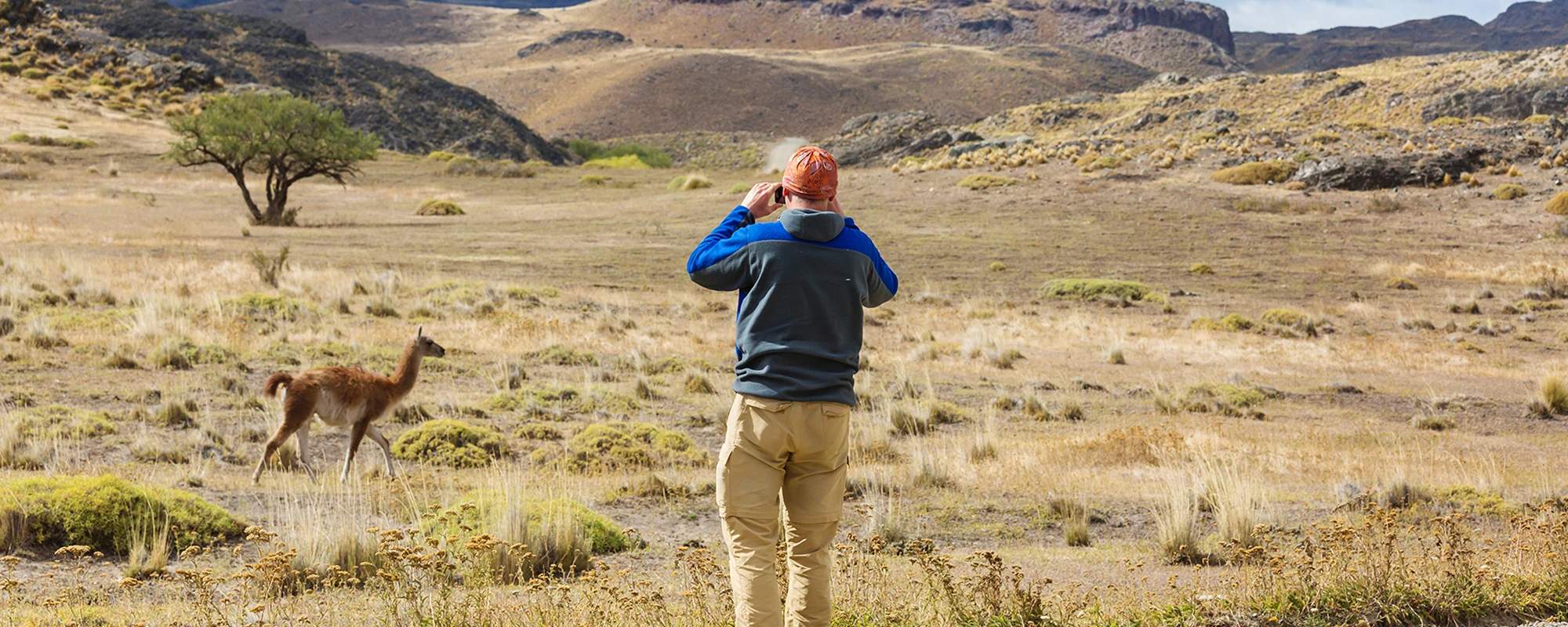
Traveling through the Andean reserves where vicuñas roam freely offers a perspective rarely encountered within the luxury world.
The landscape feels vast.
Elemental.
Almost untouched.
Golden grasslands extend toward distant snow-capped peaks. The air carries a clarity that seems impossible elsewhere. Herds of vicuñas move gracefully across the horizon, their presence subtle yet unmistakable.
There are no fences.
No signs of possession.
Only coexistence.
It becomes immediately clear that the true luxury here is not the fiber itself.
It is the landscape that makes the fiber possible.
The ecosystems.
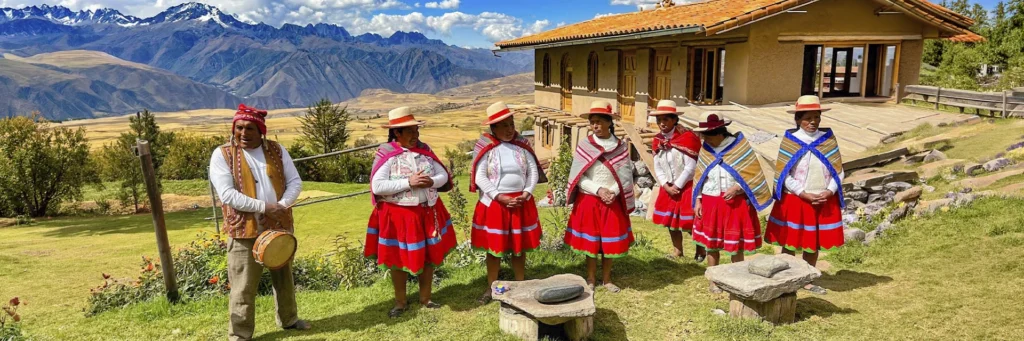
The traditions.
The communities.
The centuries of knowledge that continue to sustain both.
The Softest Gold
Gold has always symbolized value.
But unlike precious metals locked away in vaults, vicuña derives its worth from something far more fragile.
A living animal.
A living landscape.
A living tradition.
Its softness is extraordinary.
Its rarity undeniable.
Yet perhaps its greatest luxury lies elsewhere.
In the knowledge that beauty and conservation need not be opposing forces.
That luxury can protect as well as possess.
That the most valuable objects in the world are often those that remind us of our responsibility to the places from which they come.
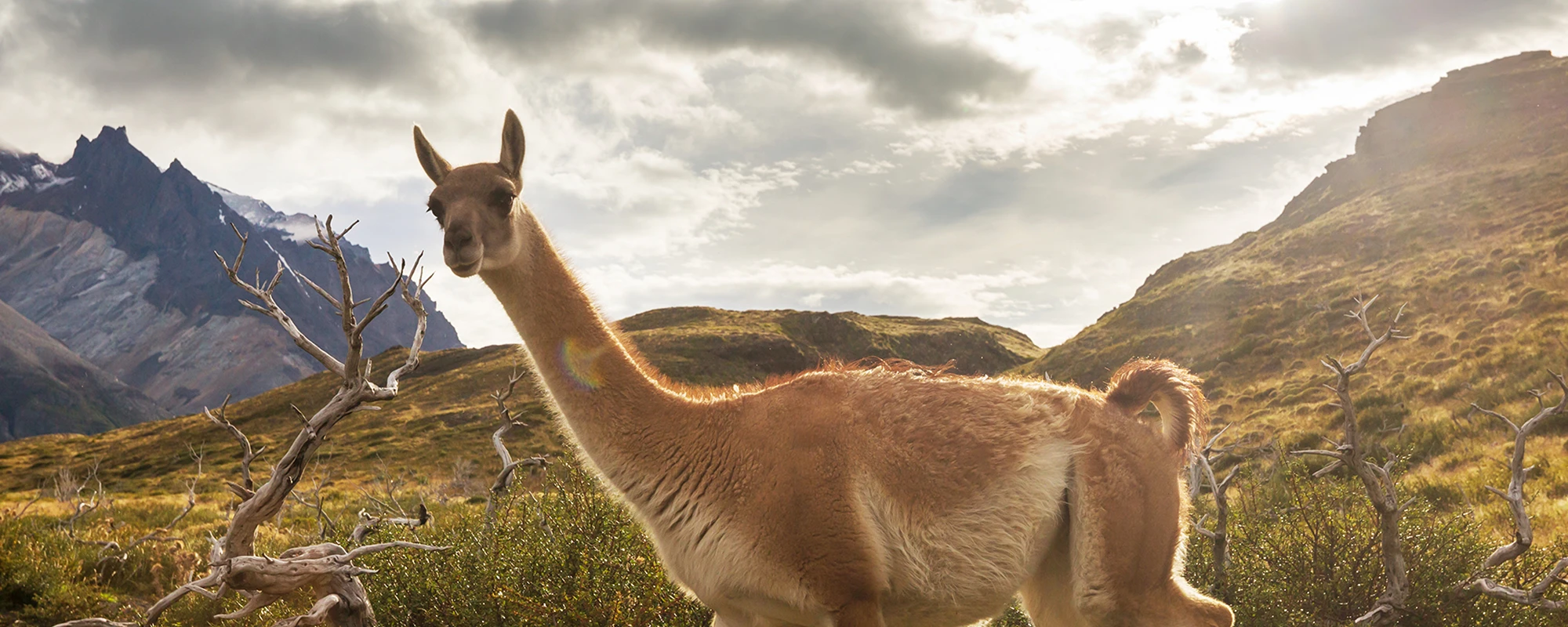
A Private Journey Into the World of Vicuña Conservation
At Kaymara Luxury Travel, we design exclusive experiences that connect travelers with the extraordinary story of the vicuña, offering privileged access to high-altitude reserves, community conservation initiatives, and the living traditions that continue to protect one of the world’s most precious natural fibers.
Created for travelers who value sustainability, craftsmanship, cultural authenticity, and meaningful luxury, these journeys reveal a side of Peru rarely seen by the outside world.
A world where conservation becomes elegance.
And where the softest gold is still found roaming free beneath the Andean sky.