
Lima Is More Than a Stopover
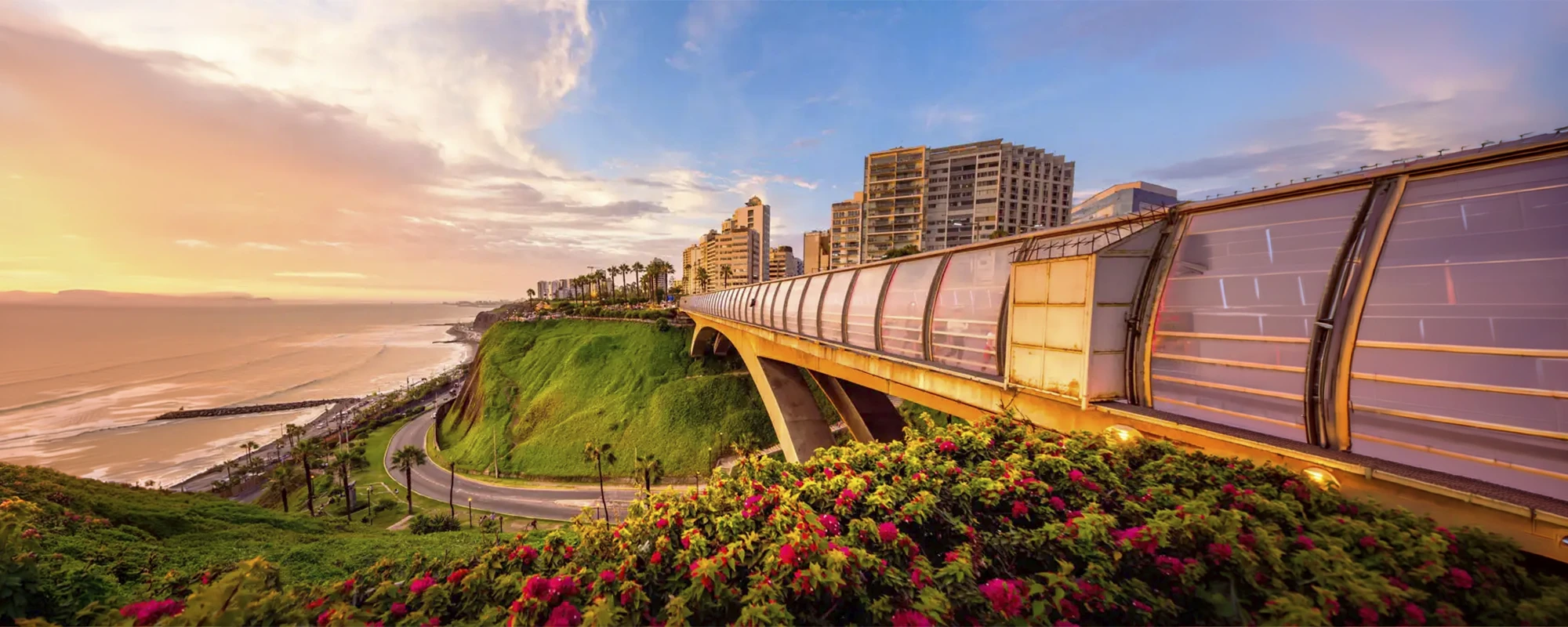
For many travellers, Lima is the place where a journey through Peru begins.
A night between international flights. A brief pause before Cusco. A convenient gateway to Machu Picchu, the Sacred Valley or the Amazon.
But Lima deserves more than that.
Look beyond its first impression and you will find a city shaped by ancient civilizations, migration, creativity and one of the most exciting culinary cultures in the world.
Pre-Columbian pyramids rise between contemporary neighborhoods. Pacific waves break beneath dramatic cliffs. Historic mansions have become intimate museums, design hotels and some of the most remarkable restaurants in Latin America.
Lima is not a city that reveals everything immediately.
It unfolds slowly.
Through a conversation with an artist in Barranco. Through the scent of lime and ají in a local market. Through the changing light over the Pacific. Through an ancient ceramic object that tells a story created long before the Inca Empire existed.
This is not merely the place where your journey begins.
It is the first chapter of Peru.
Museo Larco: Five Thousand Years Behind One Door
Some museums ask you to observe history from a distance.
Museo Larco brings you closer to it.
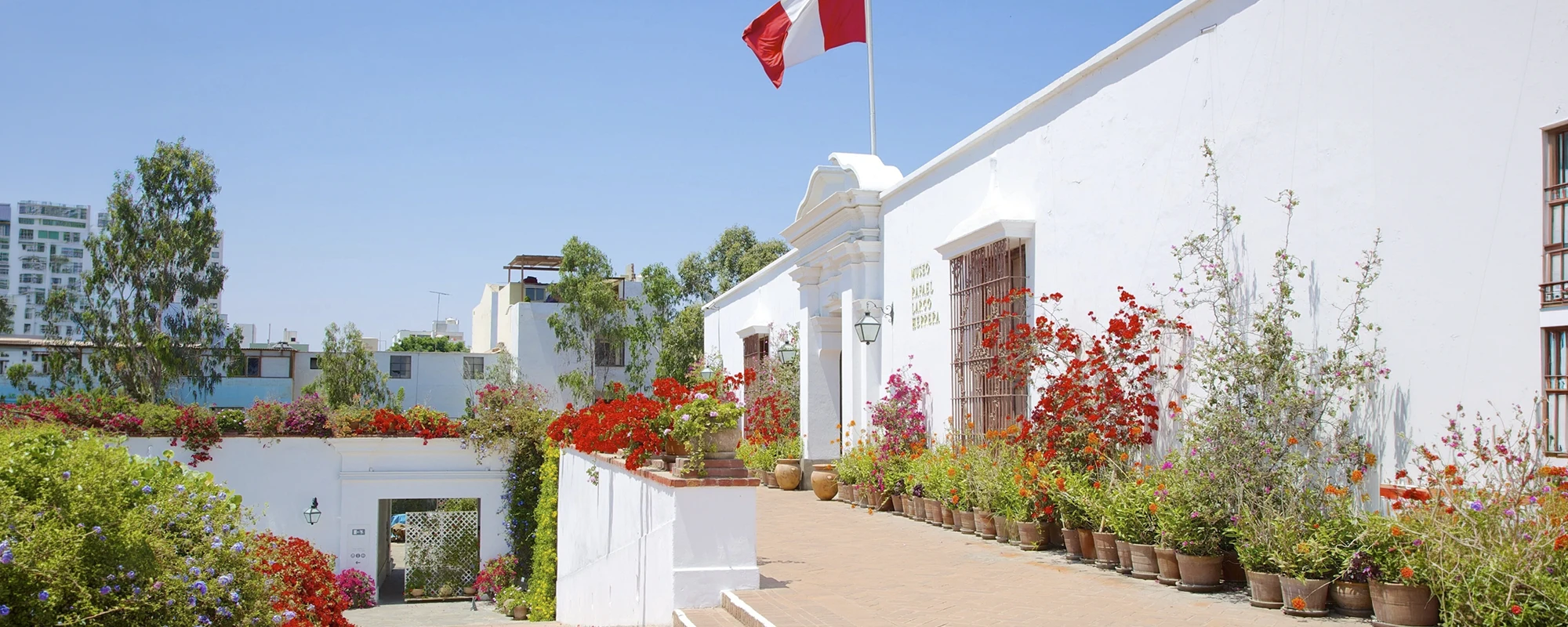
Set within an elegant 18th-century mansion in Pueblo Libre, the museum holds an extraordinary collection of pre-Columbian ceramics, textiles, gold and ceremonial objects.
Yet its appeal is not defined by the number of pieces on display.
It lies in the stories they reveal.
A privately guided visit can lead you through nearly five thousand years of Peruvian civilization, introducing cultures that flourished long before the rise of the Incas. Small objects begin to disclose immense worlds: rituals, beliefs, relationships with nature and sophisticated ways of understanding life and death.
One of the museum’s most distinctive features is its visible storage collection, where thousands of carefully catalogued ceramic pieces offer a rare sense of the scale and diversity of ancient Peru.
Then there are the gardens.
Bougainvillea tumbles across white walls. Shaded courtyards create a quiet refuge from the city. Lunch or a late afternoon drink on the terrace allows the experience to continue without urgency.
Museo Larco is not simply somewhere to visit.
It is one of the finest places to begin understanding Peru.
Miraflores: Where the City Meets the Pacific
The Pacific Ocean shapes Lima long before you reach the water.
You can feel it in the cool morning mist, in the salt carried by the wind and in the soft grey light that gives the city its distinctive atmosphere.
In Miraflores, the city ends dramatically at a series of sandstone cliffs.
Above them, the Malecón follows the coastline through gardens, cycling paths and open green spaces. Below, waves move towards beaches framed by the urban landscape.
Come early and the promenade feels almost private.
Runners follow the cliffside paths. Surfers enter the cold water below. The city begins to emerge slowly through the mist.
By late afternoon, the atmosphere changes.
Paragliders drift silently above the coastline while the sun descends towards the ocean. On clearer days, the Pacific turns silver, copper and deep blue within a matter of minutes.
This is one of Lima’s simplest pleasures.
A quiet walk. A private picnic overlooking the sea. A glass of Peruvian wine as daylight disappears beyond the cliffs.
No monument is required.
Only time.
Barranco: Lima’s Creative Soul
South of Miraflores, Barranco moves to a different rhythm.
Once a seaside retreat for Lima’s aristocratic families, the district still retains fragments of its romantic past: republican mansions, flower-filled balconies, quiet plazas and narrow streets descending towards the ocean.
Today, those historic buildings coexist with contemporary galleries, artists’ studios, independent boutiques and some of the city’s most imaginative restaurants.
Barranco is best discovered slowly.
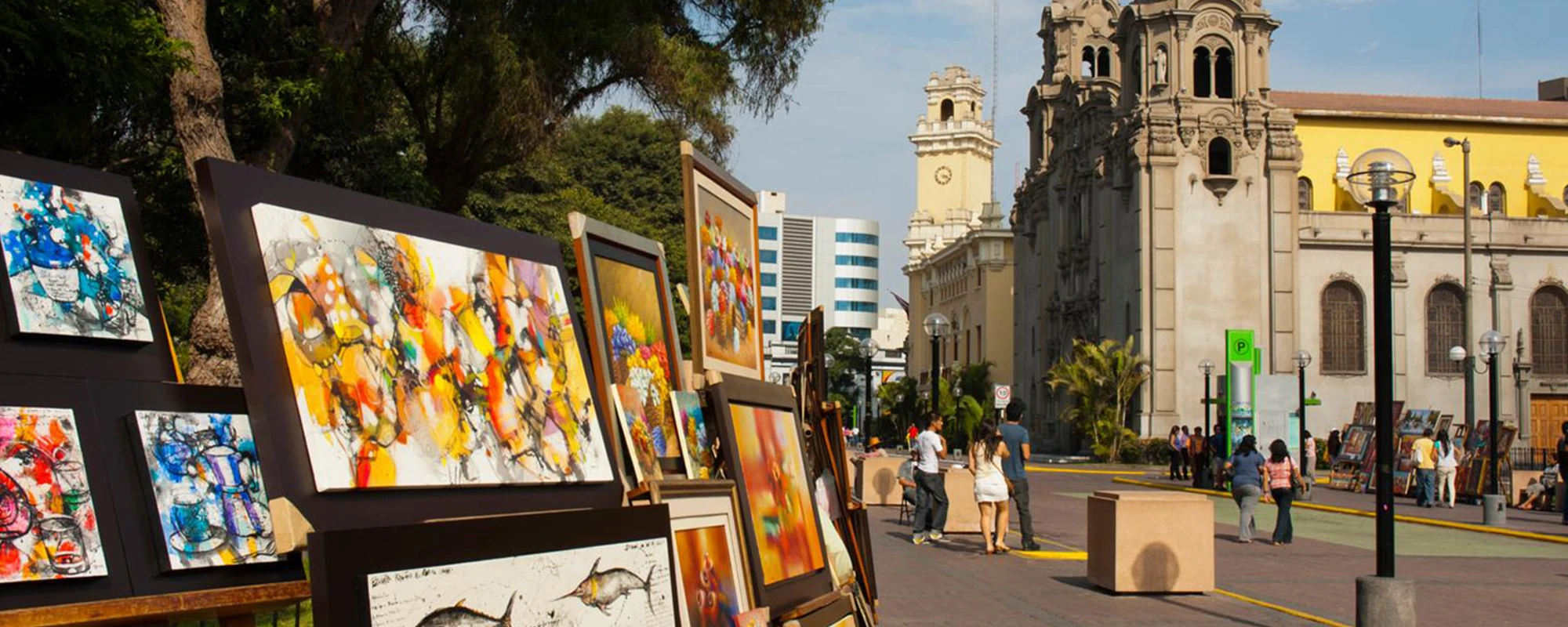
Step inside a restored mansion exhibiting contemporary Peruvian art. Meet a local designer in a private studio. Stop for coffee in a hidden courtyard or follow a street filled with murals towards the coast.
The celebrated Bridge of Sighs may be the district’s most recognizable landmark, but Barranco’s true character is found away from its busiest corners.
It is in the details.
A wooden doorway left open to an interior garden. Music drifting from a neighborhood bar. A gallery owner explaining the work of an emerging artist. An unplanned table at a restaurant you will remember long after leaving Peru.
Barranco is not somewhere to complete from a checklist.
It is somewhere to wander.
Huaca Pucllana: An Ancient Pyramid in Modern Lima
Few cities place an ancient ceremonial complex at the center of contemporary urban life.
Huaca Pucllana rises unexpectedly among the homes, restaurants and modern buildings of Miraflores.
Constructed from millions of small adobe bricks, the site was developed by the Lima culture centuries before the Inca Empire. It served as a ceremonial and administrative center connected to the sea, agriculture and the spiritual world.
Standing before it creates an immediate sense of contrast.
Traffic continues only a few streets away. Apartments overlook the archaeological complex. Yet inside the site, the city feels momentarily distant.
A private guide can help uncover the significance of its plazas, ramps and pyramid, explaining how successive cultures occupied and transformed the complex.
The experience becomes particularly atmospheric as evening approaches.
The adobe structures take on warmer tones, shadows deepen across the walls and the illuminated pyramid appears almost suspended within the surrounding city.
Dinner beside the archaeological site offers an unusual final perspective: contemporary Peruvian cuisine served in the presence of a civilization that flourished more than a thousand years ago.
Ancient and modern Lima, sharing the same table.
Taste the City That Changed the Way the World Sees Peru
Lima’s gastronomy is often described through rankings, famous chefs and internationally recognized restaurants.
But its importance goes deeper.
Food is one of the clearest ways to understand the diversity of Peru.
The cold Pacific provides fish and shellfish. The Andes contribute potatoes, corn, herbs and ancient grains. The Amazon introduces fruits, freshwater species and ingredients found nowhere else.
Centuries of migration have added Spanish, African, Chinese, Japanese and Italian influences, creating a culinary identity that is constantly evolving.
A meaningful gastronomic experience should therefore extend beyond a restaurant reservation.
Begin in a market accompanied by a chef who can introduce native fruits, regional peppers and ingredients with names you may never have encountered.
Learn why ceviche changes according to the fish, season and personality of the person preparing it. Discover the cultural exchange behind nikkei and chifa cuisine. Enter a private kitchen for a cooking experience designed around the dishes that interest you most.
Then explore Lima’s contemporary dining scene.
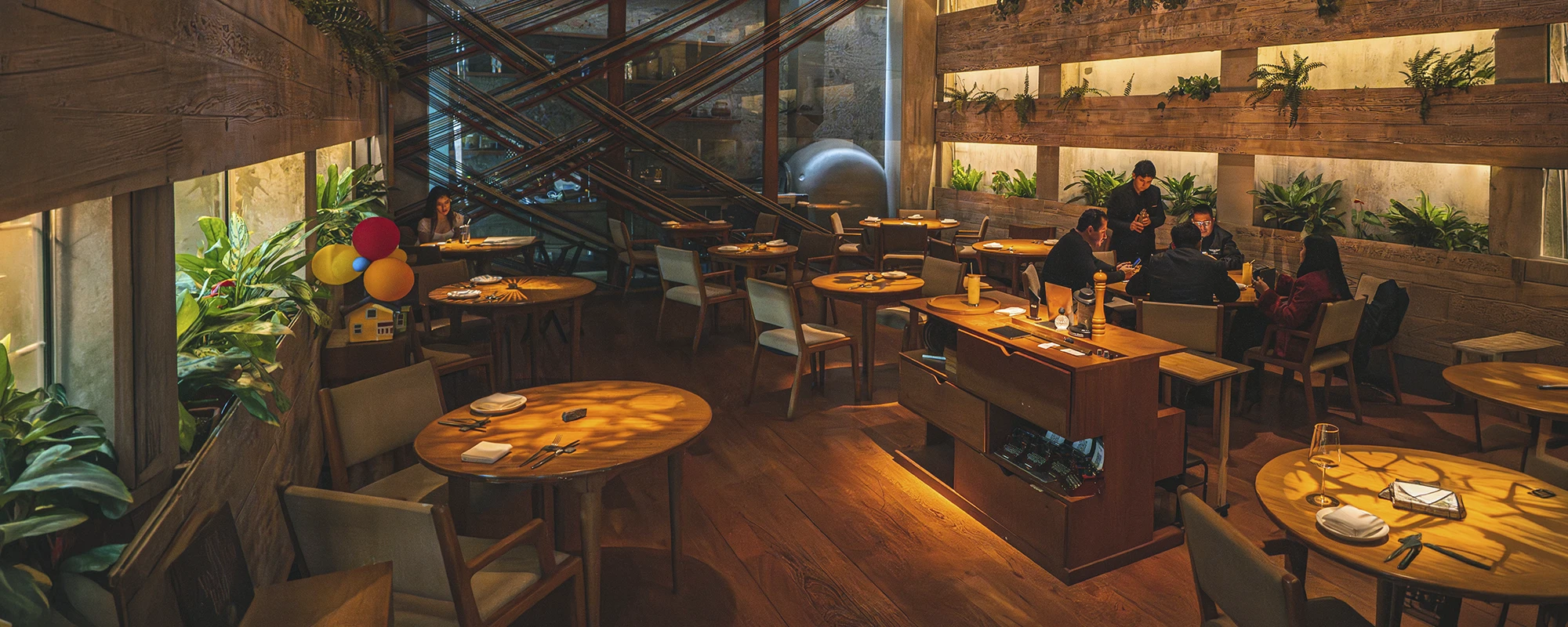
Perhaps an intimate tasting menu inspired by Peru’s ecosystems. A chef’s table hidden behind an unmarked door. A private pisco tasting focused on small producers. Or a relaxed lunch overlooking the archaeological walls of Huaca Pucllana.
Lima does not simply serve Peruvian cuisine.
It explains Peru through food.
A Private Introduction to Peruvian Art
Peruvian creativity did not end with the civilizations represented in its museums.
Across Lima, artists and designers continue to reinterpret the country’s landscapes, materials and cultural identities.
Barranco contains the largest concentration of galleries and studios, but worthwhile encounters exist throughout the city.
A privately arranged art experience may include a conversation with a contemporary painter, access to a collector’s residence or a visit to a workshop where ancestral textile techniques are being explored through modern design.
These experiences offer something no conventional sightseeing tour can provide.
Dialogue.
They allow you to ask questions, understand creative processes and encounter Peru through the perspective of the people shaping its cultural future.
For travellers interested in architecture, photography, fashion or interiors, the route can be developed around private collections, restored residences and independent studios rarely included in standard itineraries.
The result feels less like visiting a series of attractions and more like being introduced to the city by someone who knows where its most compelling conversations are happening.
Experience Lima From the Water
Most people experience Lima looking towards the Pacific.
Few turn around and view the city from the ocean.
A private sailing experience offers an entirely different perspective.
From the water, the scale of the cliffs becomes more apparent. Miraflores and Barranco stretch across the coastline while the city rises above the sea in layers.
Depending on the time of day, the journey may begin beneath Lima’s characteristic mist or unfold as the late afternoon light settles across the coast.
There is no need for an elaborate agenda.
A quiet cruise. A chilled drink. Time to watch the coastline change as the boat moves away from shore.
It is one of the most peaceful ways to experience a city that can otherwise feel immense.
Beyond the Obvious
Lima’s most memorable moments are not always found at its best-known attractions.
They may happen over a private lunch prepared by a chef in their own home.
Inside a design studio where traditional Peruvian materials are given a contemporary identity.
During a pisco tasting led by someone who understands the spirit as agriculture, history and craftsmanship rather than simply a cocktail ingredient.
Or in a coastal neighborhood rarely visited by international travellers, where local life continues beyond the familiar routes of Miraflores and Barranco.
This is where thoughtful travel design becomes important.
Rather than adding more stops to the day, we select fewer experiences with greater depth.
A private opening. A meaningful introduction. A table chosen for its atmosphere rather than its visibility. A guide who understands when to explain and when to leave space for the city to speak for itself.
The objective is not to see everything.
It is to experience the right things well.
Where to Stay in Lima
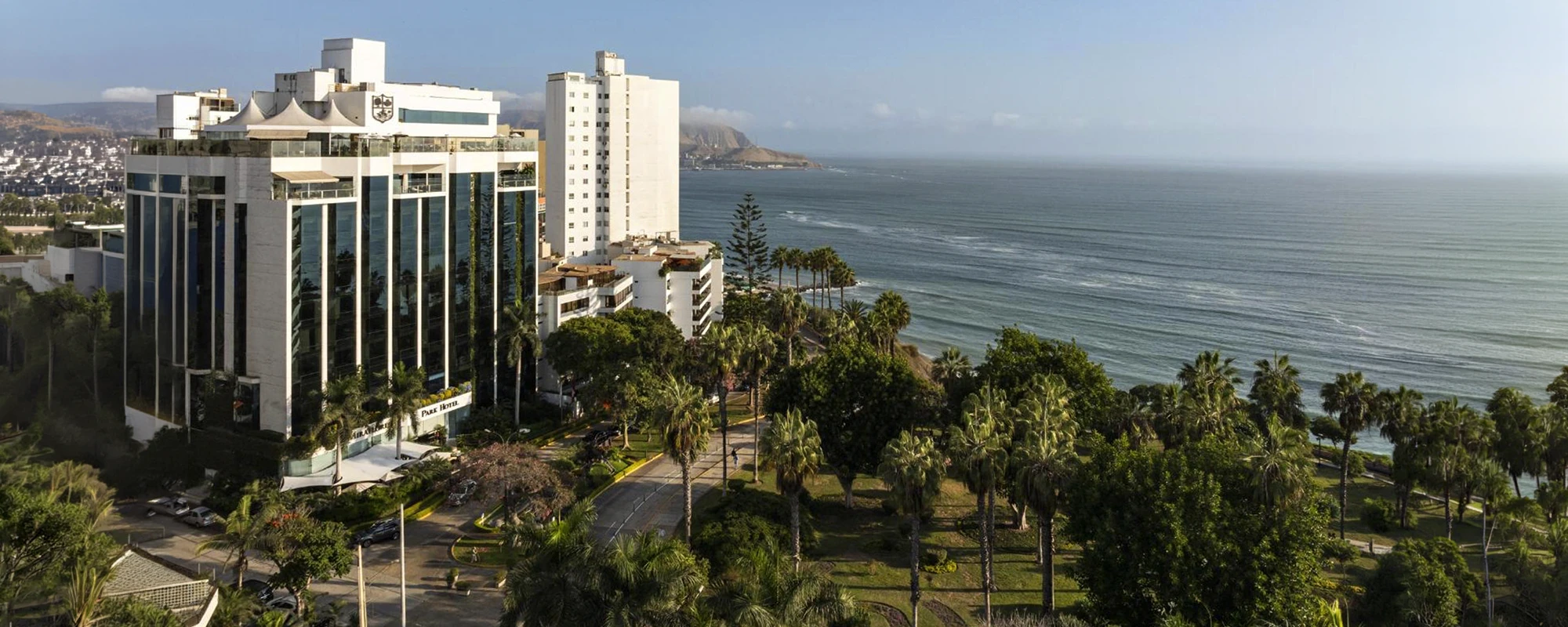
Where you stay will influence how you experience the city.
For uninterrupted Pacific views, Miraflores places you close to the coastal promenade, leading restaurants and many of Lima’s finest hotels.
Belmond Miraflores Park combines discreet service with a privileged position above the ocean. Its rooftop pool and spacious suites make it particularly well suited to travellers seeking a refined and restorative arrival in Peru.
For art, character and a stronger sense of place, Barranco offers a more intimate alternative.
Hotel B, set inside a restored Belle Époque mansion, feels part hotel and part private art collection. It is particularly appealing to travellers drawn to design, history and the creative energy of the neighborhood.
Smaller properties such as Atemporal provide a quieter residential atmosphere, combining privacy with personalized service.
The right choice is not determined by the number of stars beside a hotel’s name.
It depends on how you want Lima to feel.
Ocean-facing and contemporary. Artistic and atmospheric. Private and residential.
We select the setting that belongs naturally within the larger story of your journey.
How Long Should You Spend in Lima?
One night is enough to pass through Lima.
It is not enough to experience it.
Two full days allow time for Museo Larco, Miraflores, Barranco, Huaca Pucllana and a meaningful introduction to the city’s gastronomy without turning the visit into a race.
Three days create space for more personal experiences: private art encounters, cooking with a local chef, sailing along the coast or exploring neighborhoods beyond the conventional visitor routes.
For travellers arriving after a long international flight, Lima also provides a gentler beginning before continuing towards altitude.
A carefully paced stay gives you time to recover, adjust and enter Peru gradually rather than moving immediately into a demanding schedule.
When Is the Best Time to Visit Lima?
Lima’s seasons are subtle.
From approximately December through April, the city is warmer, brighter and generally sunnier. These months are ideal for coastal walks, sailing and long evenings outdoors.
Between May and November, cooler temperatures and the characteristic coastal mist create a softer, more atmospheric city. Although the sky may remain overcast, this period can be particularly appealing for museums, galleries, culinary experiences and unhurried neighborhood exploration.
There is no single perfect month.
The best time depends on the experience you are seeking and how Lima fits within the rest of your journey through Peru.
Begin Peru Differently
Peru does not begin only when you see Machu Picchu.
It begins in Lima.
In the scent of citrus and chilli drifting through a market.
In an ancient pyramid standing silently between modern buildings.
In a work of art that challenges the way you imagined the country.
In the Pacific light disappearing beyond the cliffs.
In a conversation held over exceptional food.
At Kaymara Luxury Travel, we design private experiences that allow Lima to reveal more than its famous landmarks.
Every visit is shaped around your interests, your pace and the stories you want to take with you.
Because the finest journeys do not begin with a checklist.
They begin with a sense of connection.
Let us design your private introduction to Lima and the journey through Peru that follows.