
There are places that ask us to move faster.
And there are places that gently ask us to stop.
Lake Titicaca belongs to the latter.
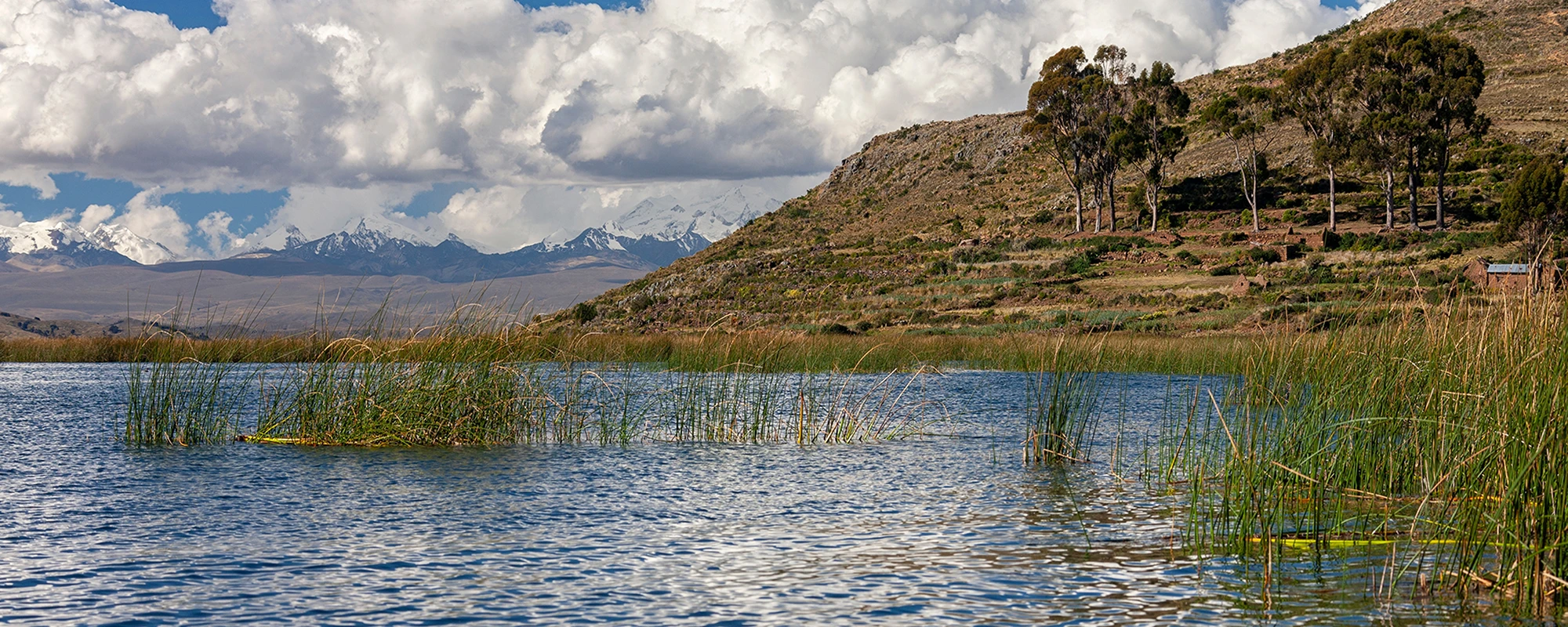
Suspended high among the Andes, where the sky seems closer than the earth itself, lies a body of water so vast and luminous that it often appears less like a lake and more like a state of consciousness. At over 3,800 meters above sea level, it is the highest navigable lake on Earth, a place where light behaves differently, where horizons seem infinite, and where silence possesses an almost physical presence.
For centuries, travelers, pilgrims, mystics, and storytellers have been drawn toward these waters.
Some came seeking origins.
Others sought revelation.
Many arrived without knowing exactly what they were looking for.
And left with the feeling that they had found it.
Because Titicaca is not merely a destination.
It is a pause.
A rare interruption in the accelerating rhythm of the modern world.
The Geography of Stillness
The first encounter with Lake Titicaca often feels surprisingly emotional.
Not because of its size.
Although its immensity is undeniable.
Nor because of its altitude.
Although the thin Andean air lends everything a heightened sense of clarity.
What affects most visitors is something more subtle.
The stillness.
Water and sky merge almost seamlessly. On calm mornings, the surface becomes a flawless mirror, reflecting clouds, mountains, and sunlight with such precision that the distinction between above and below seems to disappear.
The effect is disorienting in the most beautiful way.
Perspective softens.
Boundaries dissolve.
Time appears to slow.
In a world increasingly dominated by noise, urgency, and constant stimulation, this stillness feels almost revolutionary.
Nothing demands attention.
Nothing competes for it.
The lake simply exists.
And invites you to do the same.
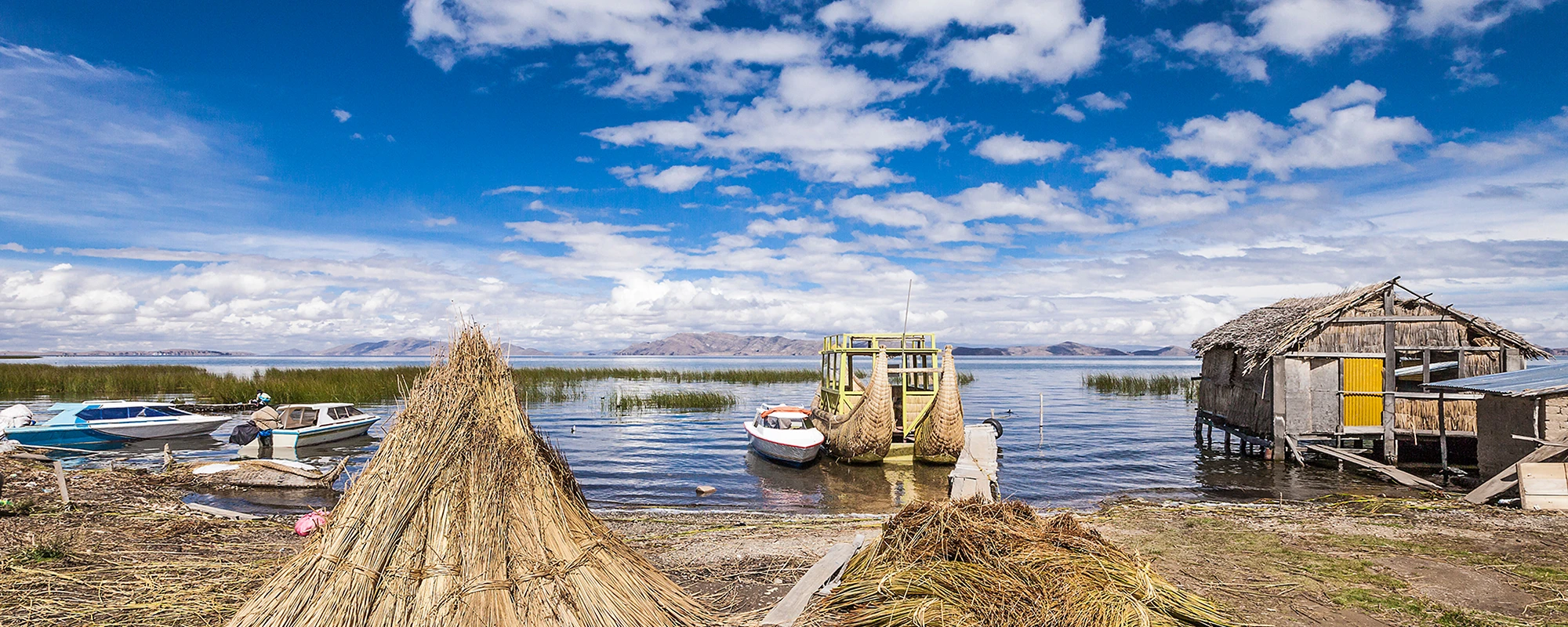
Where the Sun Was Born
Long before national borders existed, before empires rose and fell, the peoples of the Andes looked upon these waters as the birthplace of creation itself.
According to Inca cosmology, it was here that the Sun emerged.
Here that Manco Cápac and Mama Ocllo, the mythical founders of the Inca civilization, began their journey into the world.
The lake was not simply a geographic feature.
It was a sacred threshold.
A place where the visible and invisible worlds touched.
Even today, that mythology feels strangely present.
Not as folklore.
But as atmosphere.
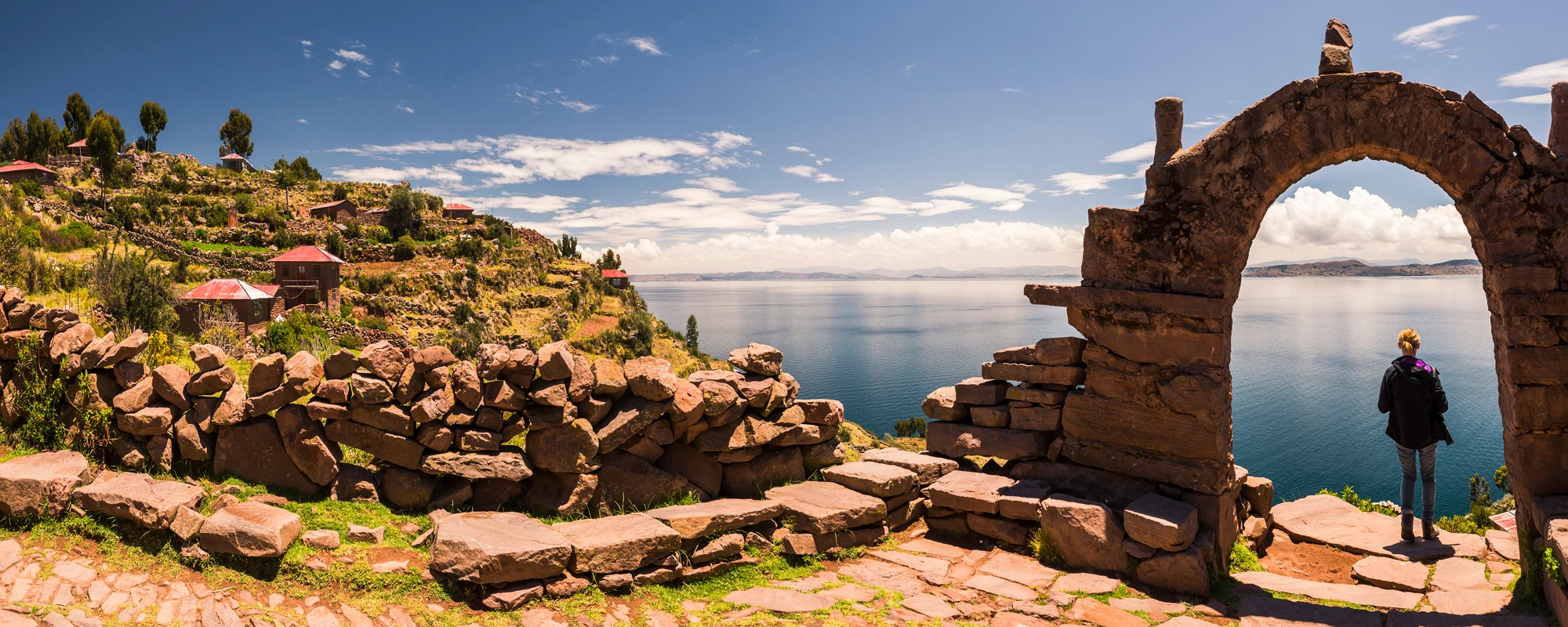
The vastness of the lake encourages contemplation. The changing light transforms ordinary landscapes into something symbolic. Islands emerge from the water like fragments of a dream, suspended between reality and legend.
One begins to understand why ancient civilizations looked here and imagined origins.
The landscape itself invites such thoughts.
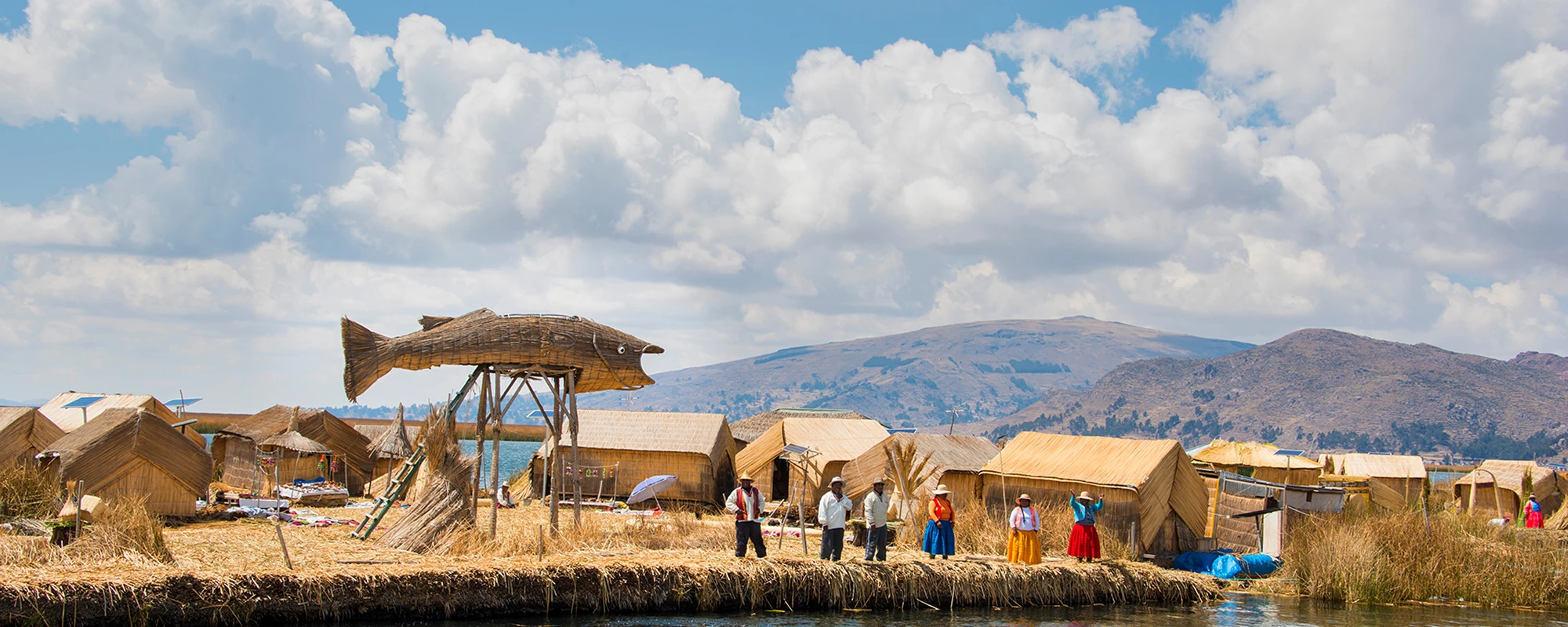
Islands Beyond Time
Scattered across the sapphire expanse of the lake are islands that seem to exist according to their own rhythm.
Taquile.
Amantaní.
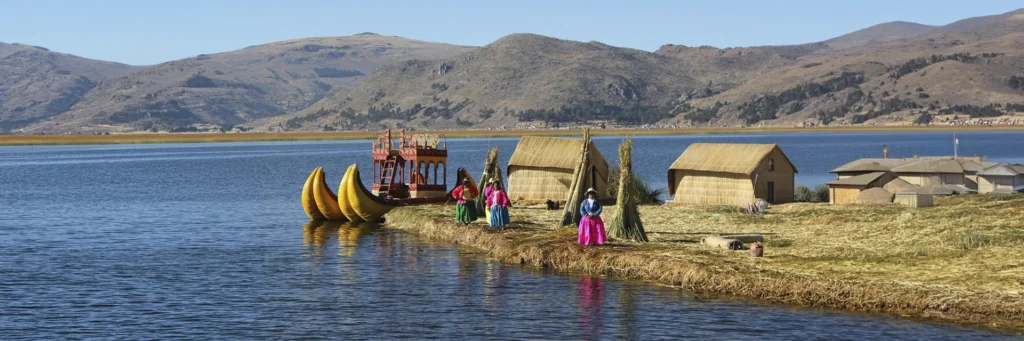
The floating islands of the Uros.
Each offers a different relationship with time.
On Taquile, ancient traditions remain woven into daily life. Stone pathways climb gently across terraced hillsides where modern distractions feel wonderfully distant. Conversations unfold slowly. The lake accompanies every view.
Amantaní offers something even quieter.
As evening approaches and the final boats depart, a profound silence settles across the island. The sky darkens. The stars emerge. The water disappears into darkness until only the horizon remains.
In those moments, the distinction between landscape and meditation becomes difficult to define.
The islands do not entertain.
They invite reflection.
And that invitation is increasingly rare.
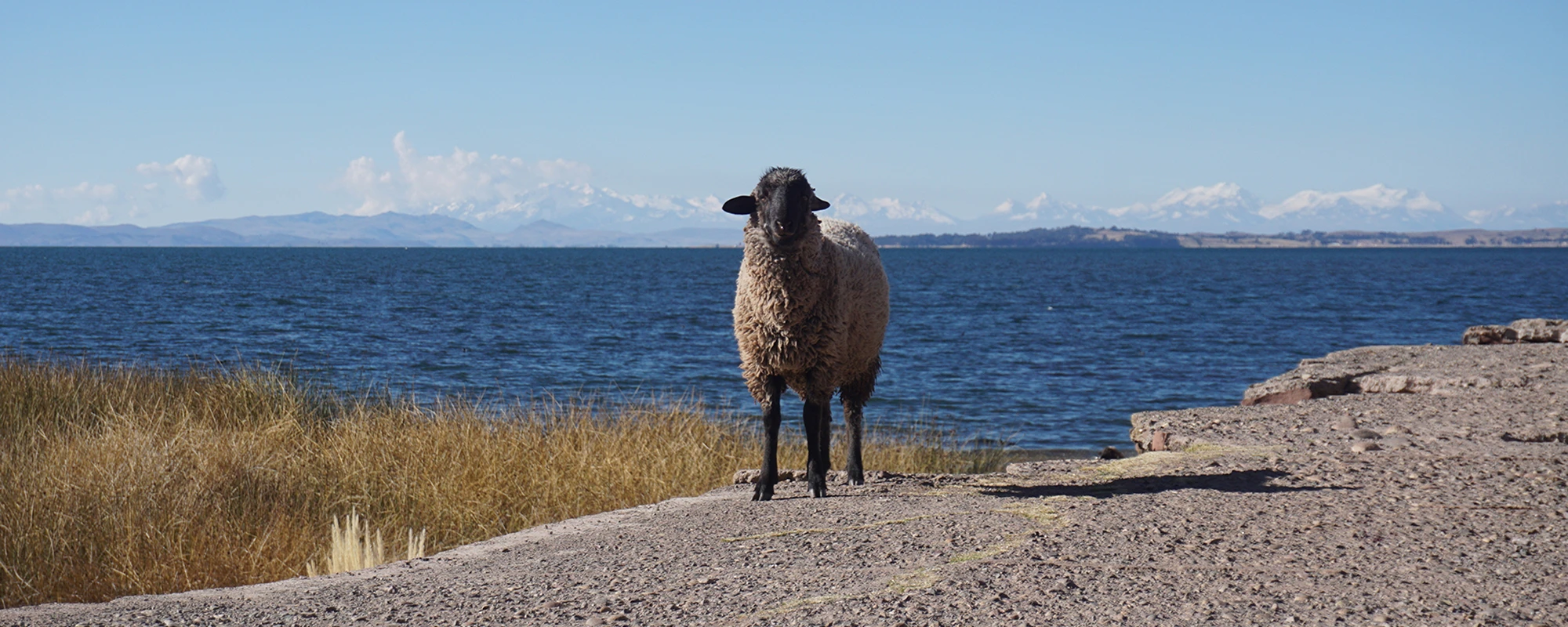
The Luxury of Empty Space
Contemporary luxury often revolves around access.
Exclusive reservations.
Private experiences.
Limited availability.
Yet Lake Titicaca suggests another definition.
Space.
Not physical space alone.
Mental space.
Emotional space.
The freedom to experience a day without interruption.
A sunrise without a schedule.
A conversation without urgency.
A horizon uninterrupted by skyscrapers, traffic, or screens.
For many travelers arriving from New York, London, Paris, or Berlin, this absence becomes one of the most valuable experiences of all.
The lake offers no spectacle.
No performance.
No excess.
Its gift is simpler.
And perhaps more profound.
Perspective.
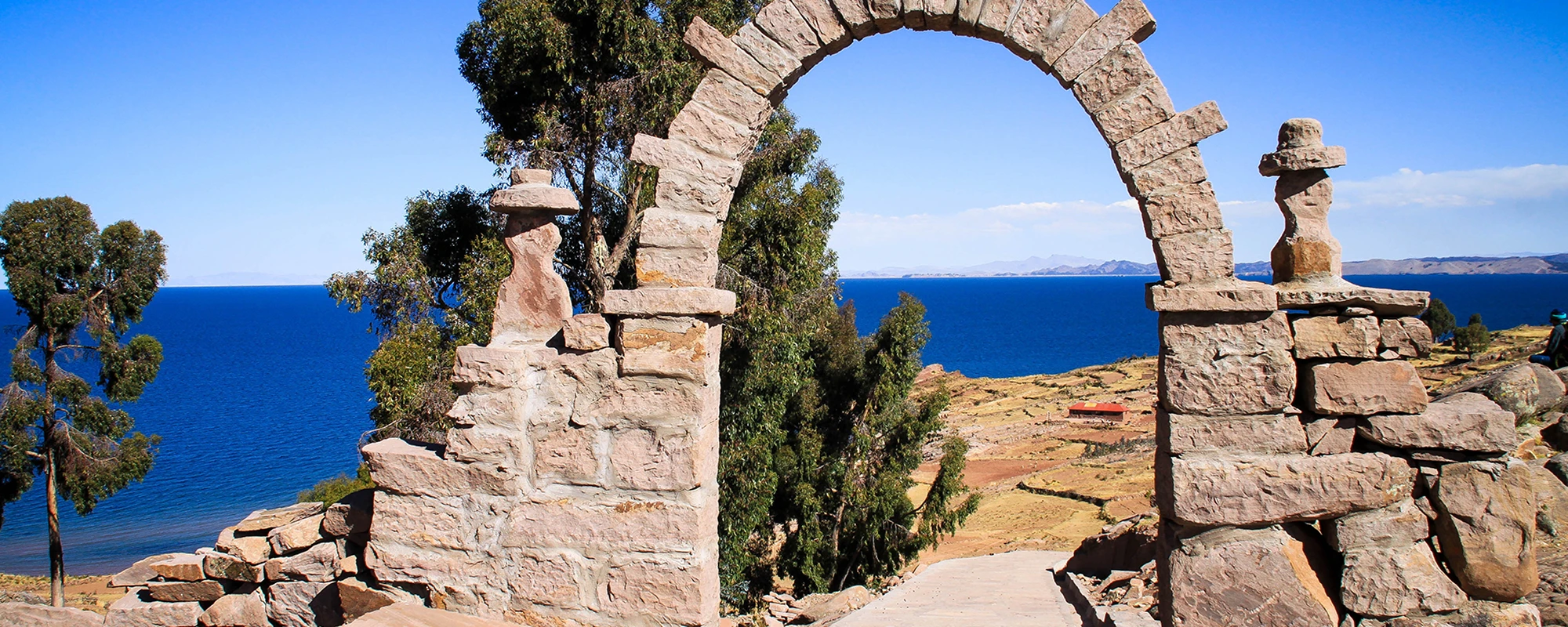
Light, Water, and Silence
Throughout the day, the character of Titicaca changes continuously.
Morning light arrives with crystalline precision.
Midday reveals every shade of blue imaginable.
Afternoon softens the contours of distant mountains.
And sunset transforms the lake into a vast canvas of gold, silver, and amber reflections.
Yet the silence remains constant.
Not empty silence.
Living silence.
A silence filled with wind, water, distant birds, and the gentle rhythm of life unfolding at its natural pace.
Many travelers describe a subtle shift after spending time here.
Their thoughts become quieter.
Their attention deepens.
Their awareness expands.
The lake does not impose transformation.
It simply creates the conditions for it.
The Mirror and the Self
There is a reason mirrors appear so often in spiritual traditions.
They reveal.
Not by adding.
But by removing distraction.
Lake Titicaca functions in much the same way.
Its immense surface reflects the sky above.
But it also reflects something inward.
The lake strips away noise.
Schedules.
Expectations.
The endless momentum of contemporary life.
What remains is presence.
A heightened awareness of the moment itself.
The sensation is difficult to describe.
And impossible to manufacture.
It can only be experienced.
The Last Luxury
As evening settles across the water and the final light lingers on the horizon, Titicaca reveals its greatest lesson.
Stillness is not emptiness.
It is fullness.
A fullness rarely encountered in modern life.
The fullness of attention.
Of silence.
Of uninterrupted beauty.
The lake asks nothing of those who visit.
It does not seek to impress.
It does not demand understanding.
It simply remains.
Patiently.
Timelessly.
Reflecting sky, mountains, myths, and generations.
And perhaps that is why travelers continue to come.
Not merely to see the lake.
But to experience what becomes possible in its presence.
A Private Journey Across the Sacred Waters of Titicaca
At Kaymara Luxury Travel, we design intimate journeys across Lake Titicaca that combine cultural authenticity, contemplative experiences, and meaningful encounters with the communities and landscapes that continue to shape one of the world’s most sacred bodies of water.
Created for travelers seeking stillness, beauty, and genuine disconnection, these experiences reveal a side of Peru where luxury is measured not by excess, but by presence.
A place where water becomes a mirror.
And where silence becomes a destination.