
There are places that reveal themselves immediately.
And there are places that prefer to remain silent.
Ollantaytambo belongs to the latter.
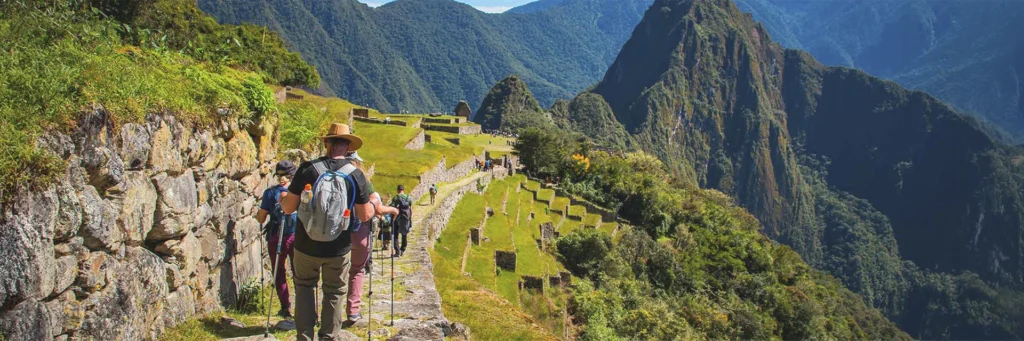
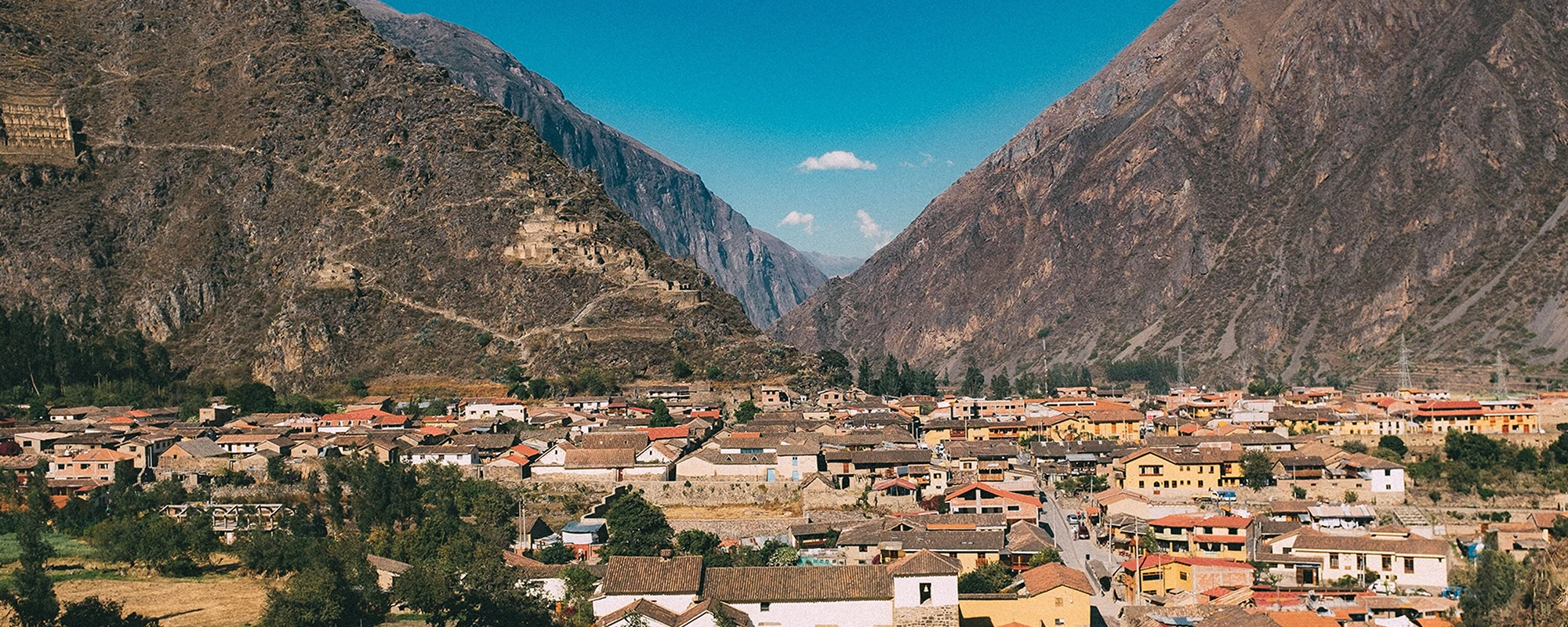
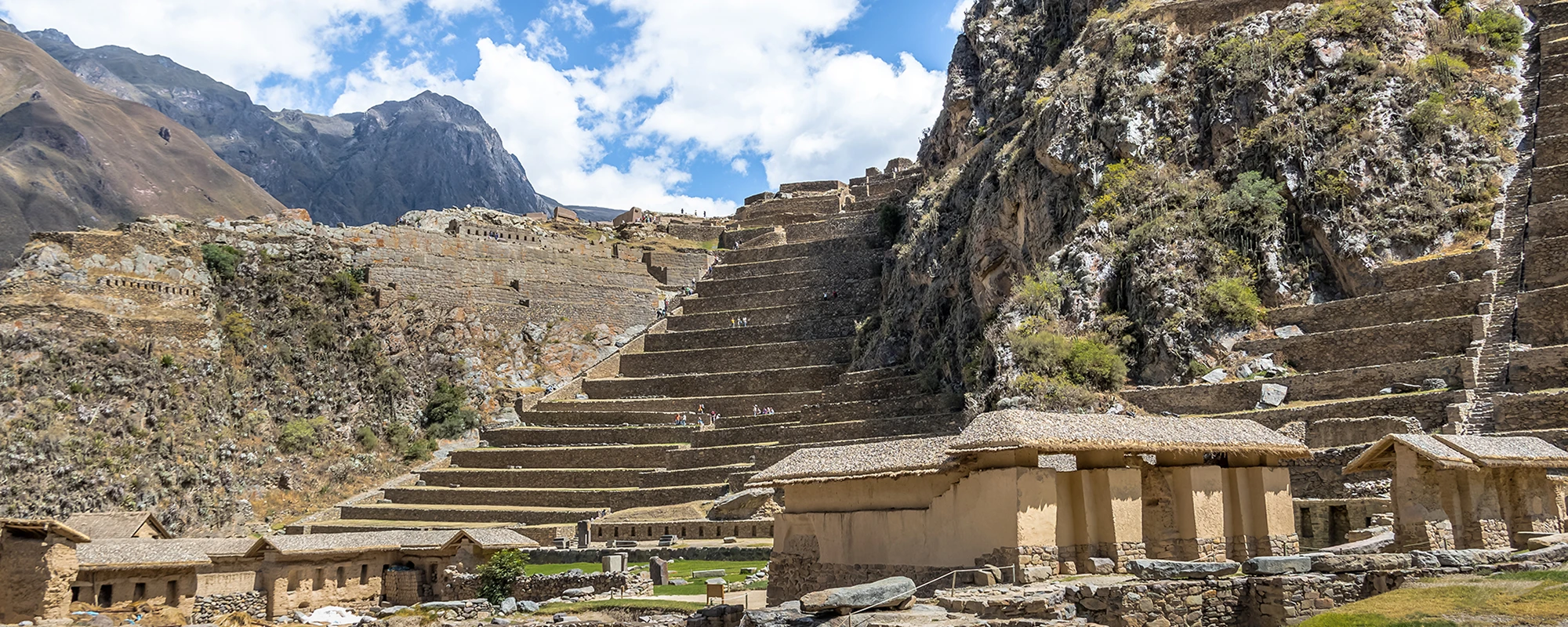
At first glance, it appears to be a masterpiece of stonework suspended between mountains. Massive terraces rise from the valley floor with geometric precision. Narrow streets channel glacial water through channels that have flowed uninterrupted for centuries. Monolithic walls emerge from the landscape as though they had grown directly from the mountain itself.
Yet the longer one remains here, the more unsettling a question becomes:
Why?
Why were these stones placed exactly here?
Why do certain alignments seem intentional beyond practicality?
Why does the entire landscape feel less like a settlement and more like a carefully composed equation?
For travelers fascinated by architecture, astronomy, and the hidden intelligence of ancient civilizations, Ollantaytambo offers something increasingly rare in the modern world.
Not answers.
But mysteries worthy of contemplation.
A City Designed to Be Read
Most cities are built.
Ollantaytambo feels composed.
Its streets, terraces, water channels, sightlines, and surrounding mountains interact with one another with a degree of coherence that feels almost mathematical.
Walking through the village at dawn, one begins to notice patterns.
Angles repeat.
Symmetries emerge.
Perspectives align unexpectedly.
The landscape appears to participate in the architecture itself.
Nothing feels accidental.
The Incas left no architectural manifesto explaining their intentions.
Yet their work suggests a profound understanding of proportion, orientation, and spatial harmony.
The result is a place that functions simultaneously as engineering, landscape design, ceremonial space, and cosmological expression.
It is architecture not merely built upon the land.
It is architecture built in conversation with it.
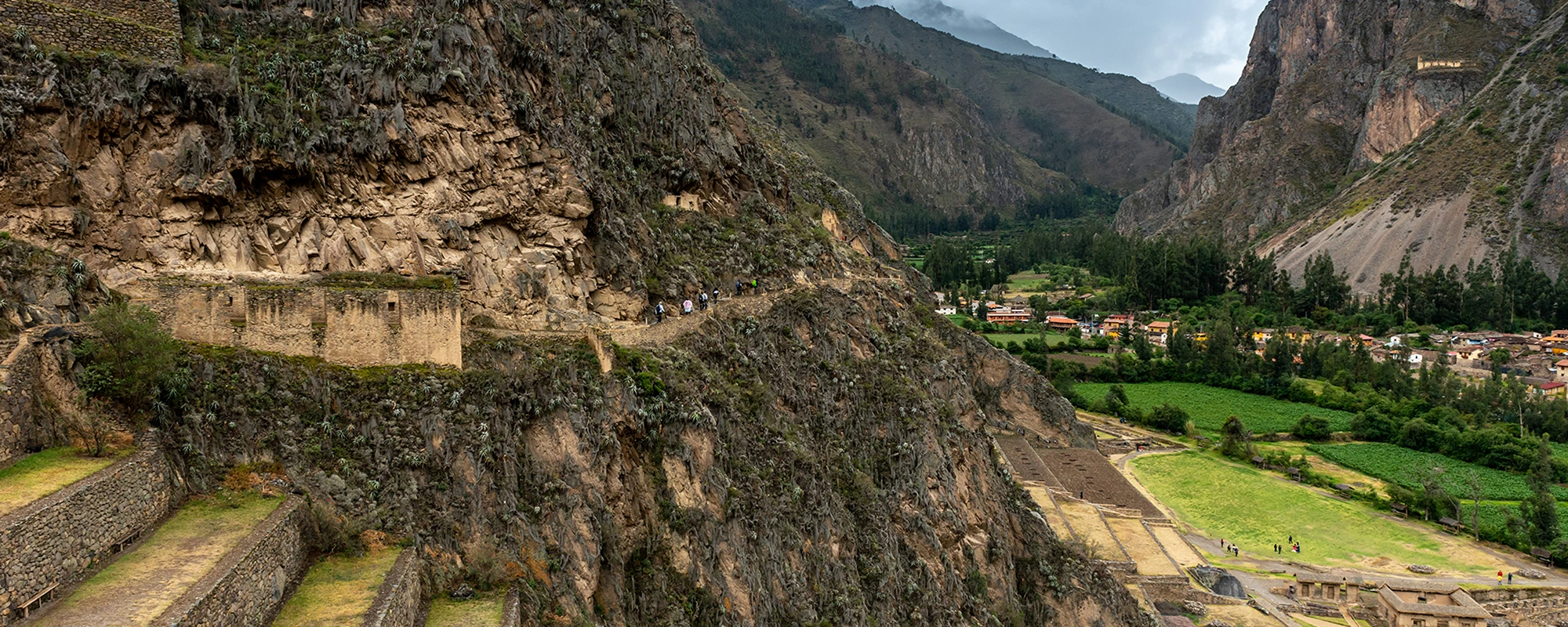
The Mountain That Watches
Across the valley rises one of Ollantaytambo’s most enigmatic presences.
At first, visitors notice only the mountain.
Then they notice the face.
Carved not by human hands but by the contours of the landscape itself, the mountain profile resembles a watchful figure gazing over the valley.
For centuries, local traditions have associated these formations with powerful spiritual meanings.
Whether coincidence or intentional recognition, the effect is undeniable.
The surrounding geography appears animated.
The mountains cease to function as scenery.
They become participants.
In Andean thought, mountains were never passive geological formations.
They were living entities.
Protectors.
Ancestors.
Sources of wisdom.
To build a sanctuary beneath their gaze was not merely practical.
It was relational.
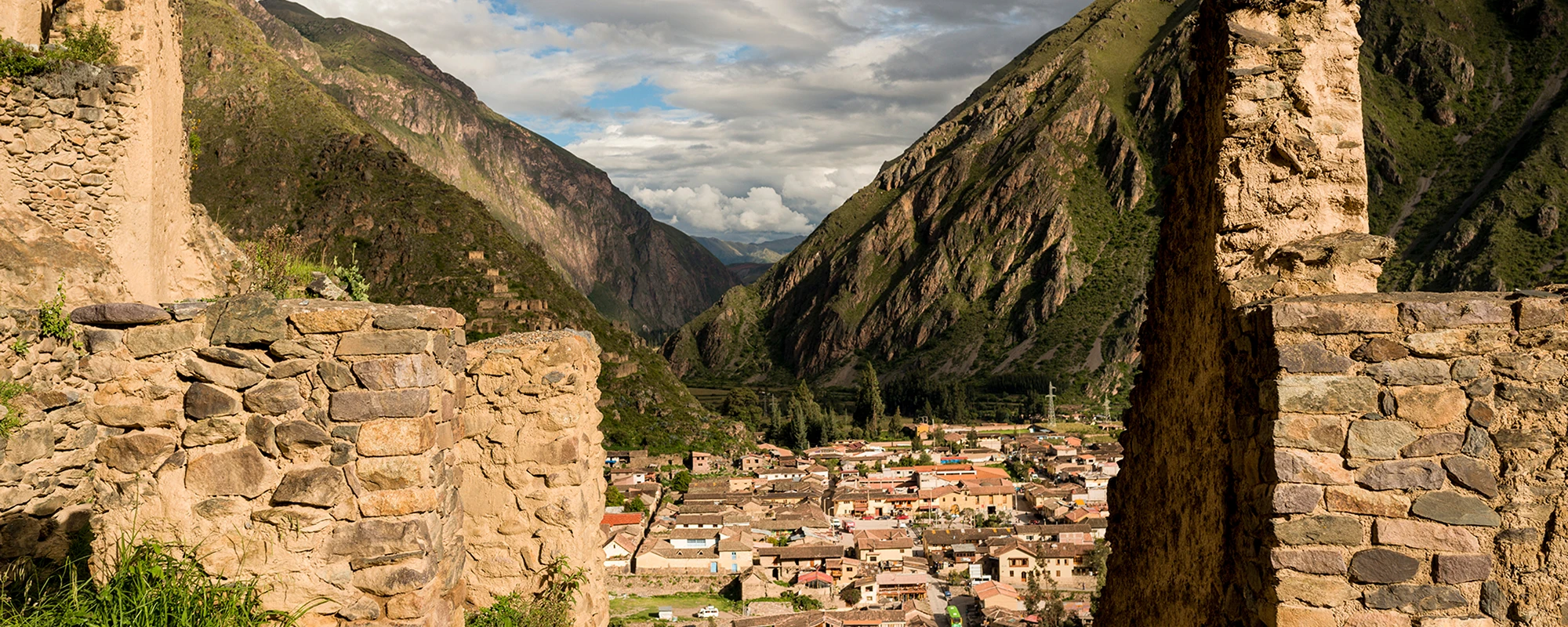
The Language of Alignment
One of the most fascinating aspects of Ollantaytambo lies in its relationship with the sky.
Across the ancient world, civilizations developed architecture that responded to celestial events.
The movement of the sun.
The appearance of specific stars.
The rhythms of solstices and equinoxes.
The Incas were no exception.
Here, certain structures appear positioned to interact with light in remarkably deliberate ways.
The first rays of dawn illuminate particular surfaces.
Mountain horizons frame celestial events.
Lines within the landscape seem to extend beyond the visible world toward astronomical reference points.
Whether functioning as observatories, ceremonial markers, or symbolic expressions of cosmic order, these alignments suggest a worldview in which architecture served as a bridge between earth and sky.
The purpose was not simply to observe the cosmos.
It was to participate in it.
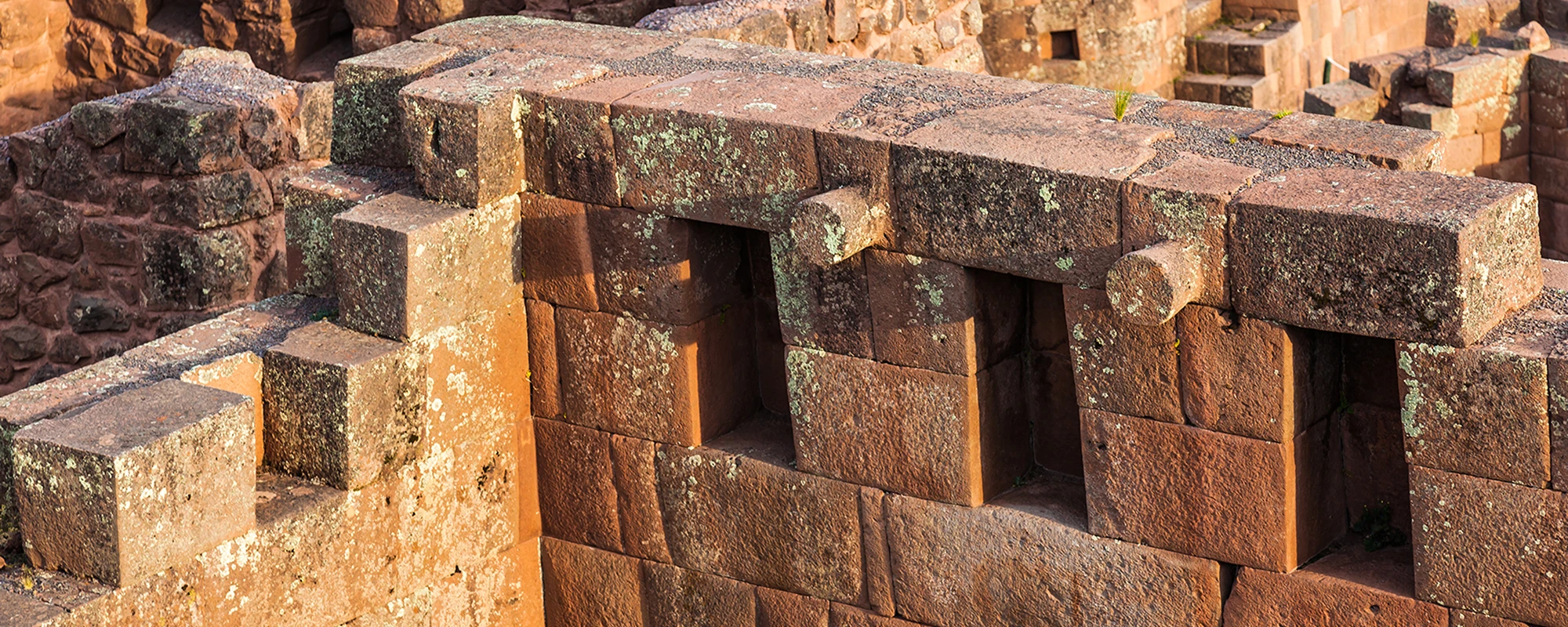
Geometry as Spiritual Technology
Modern societies often separate science from spirituality.
For the Incas, such distinctions may have been irrelevant.
Geometry was not merely a practical tool.
It was a way of understanding reality.
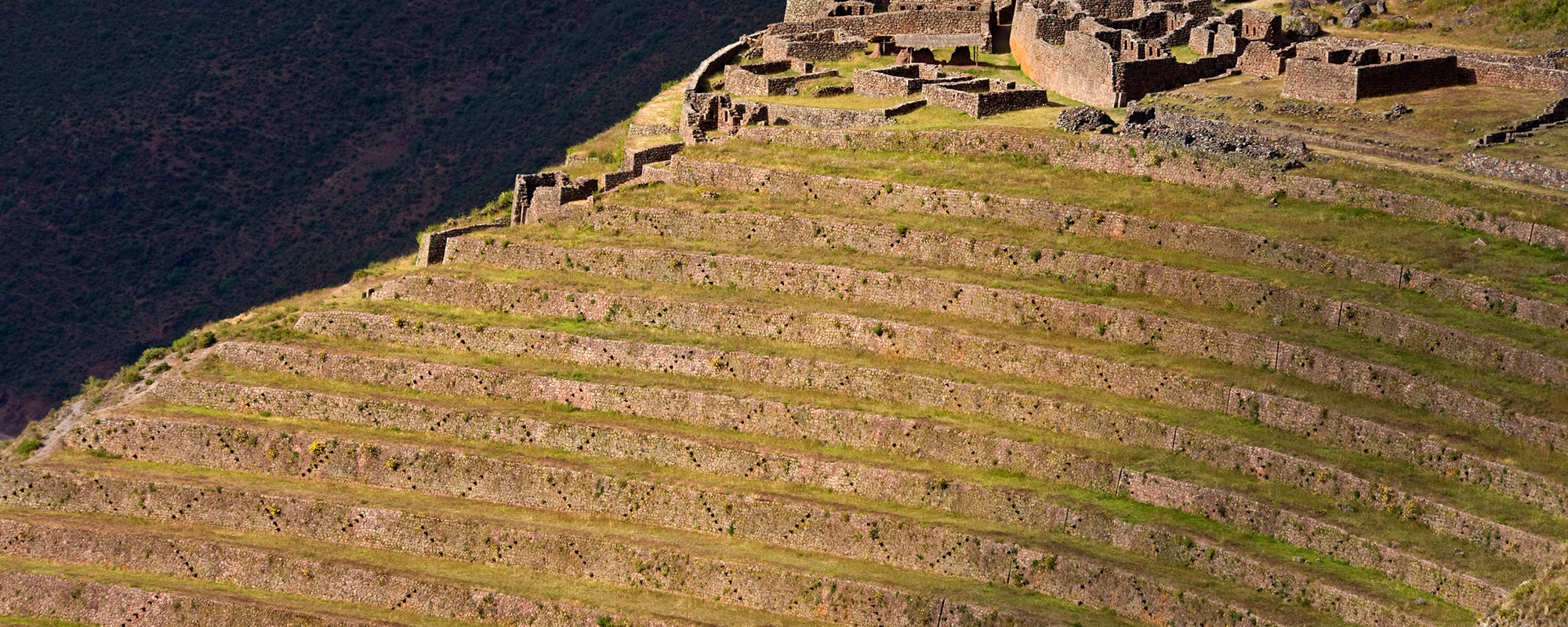
Terraces followed contours that enhanced both agricultural productivity and visual harmony.
Water channels obeyed engineering principles while simultaneously carrying ceremonial significance.
Stonework achieved extraordinary precision while expressing a deeper sense of order.
Every angle solved multiple problems at once.
Functional.
Aesthetic.
Symbolic.
The result is a landscape where utility and meaning become inseparable.
To stand among these stones is to encounter a form of intelligence that refuses modern categories.
Was it engineering?
Art?
Astronomy?
Spiritual practice?
Perhaps all at once.
The Silence Between the Stones
As afternoon fades and most visitors depart toward their next destination, Ollantaytambo undergoes a subtle transformation.
The noise diminishes.
The shadows lengthen.
The mountains reclaim their presence.
In these quieter moments, the site reveals something impossible to experience through photographs alone.
Silence.
Not emptiness.
A different kind of attention.
The stones seem less like remnants of the past and more like questions waiting patiently to be asked.
Questions about perception.
About human creativity.
About our relationship with landscape and time.
The most enduring mysteries are often those that remain partially unresolved.
Ollantaytambo understands this well.
Architecture Beyond Function
For contemporary architects, designers, and thinkers, Ollantaytambo offers a powerful reminder.
The greatest structures in human history were rarely created solely for utility.
They were created to inspire wonder.
To orient human beings within larger systems.
To connect daily life with something transcendent.
Today, architecture frequently prioritizes efficiency.
The Incas pursued something more ambitious.
Meaning.
Every wall.
Every terrace.
Every alignment appears to participate in a broader dialogue between humanity, nature, and the cosmos.
The result is a place that continues to challenge modern assumptions about what architecture can achieve.
Reading the Landscape
Perhaps the most remarkable realization comes at the end.
Ollantaytambo is not a monument.
It is a text.
The mountains are its pages.
The stones its vocabulary.
The stars its punctuation.
To walk through it is not simply to observe.
It is to read.
Slowly.
Patiently.
Knowing that complete understanding may never arrive.
And perhaps that is precisely the point.
Because some places were not designed to explain themselves.
They were designed to awaken curiosity.
A Private Encounter with the Sacred Geometry of the Andes
At Kaymara Luxury Travel, we curate private experiences that reveal Ollantaytambo beyond its historical narratives, inviting travelers to explore its architectural intelligence, astronomical alignments, and profound relationship with the surrounding landscape.
Designed for architects, designers, collectors of knowledge, and intellectually curious travelers, these journeys transform a visit into something deeper:
An opportunity not merely to see the Andes.
But to begin reading them.