
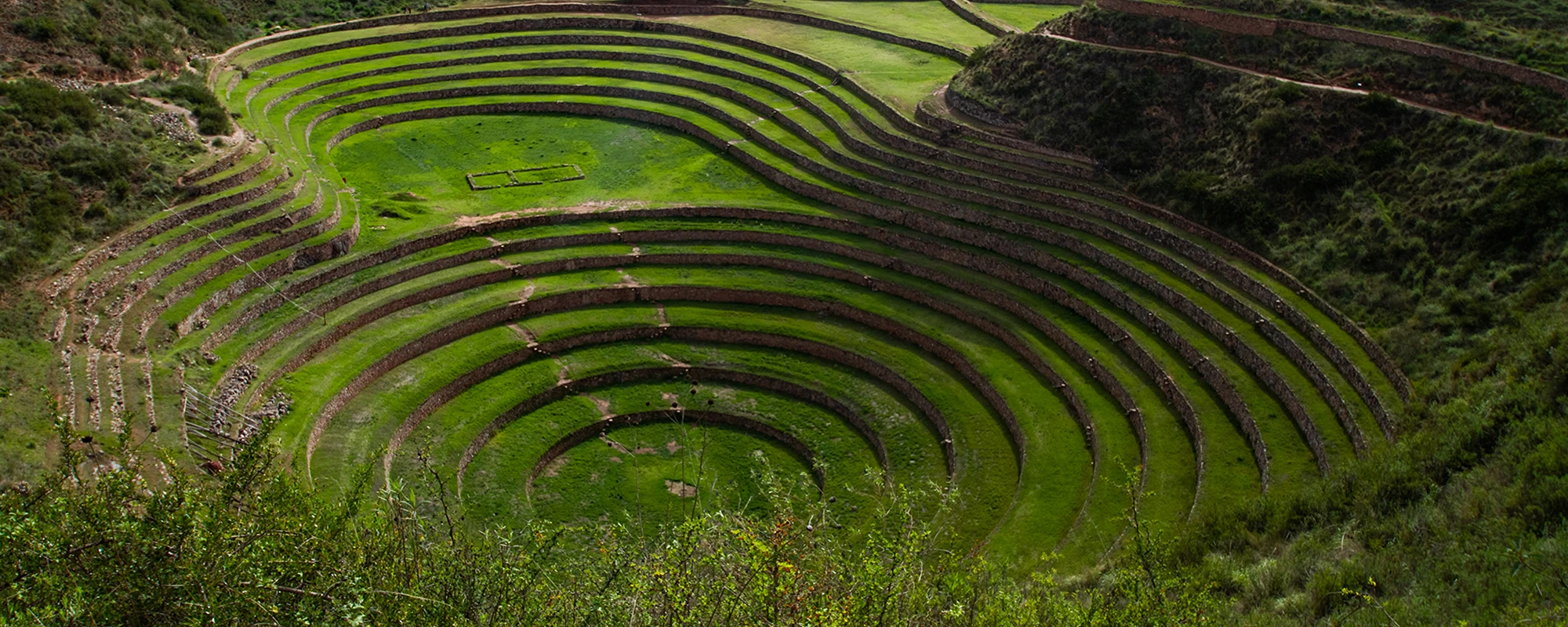
There are places where history survives in stone.
And there are places where history survives in human hands.
High above Peru’s Sacred Valley, where rolling agricultural terraces rise toward the Andean highlands, the village of Chinchero exists between these two worlds. Ancient Inca foundations support colonial structures. Snow-capped peaks watch silently over fertile fields. Clouds drift across landscapes that have changed little in centuries.
Yet Chinchero’s greatest treasure is neither archaeological nor architectural.
It is woven.
Long before written language arrived in the Andes, stories, identities, beliefs, and collective memory were preserved through textiles. Across the vast territories of the Inca Empire, cloth carried meaning. Patterns identified communities. Colors reflected landscapes. Symbols conveyed cosmologies and ancestral knowledge.
Today, this remarkable language continues to live.
Not behind museum glass.
Not inside archives.
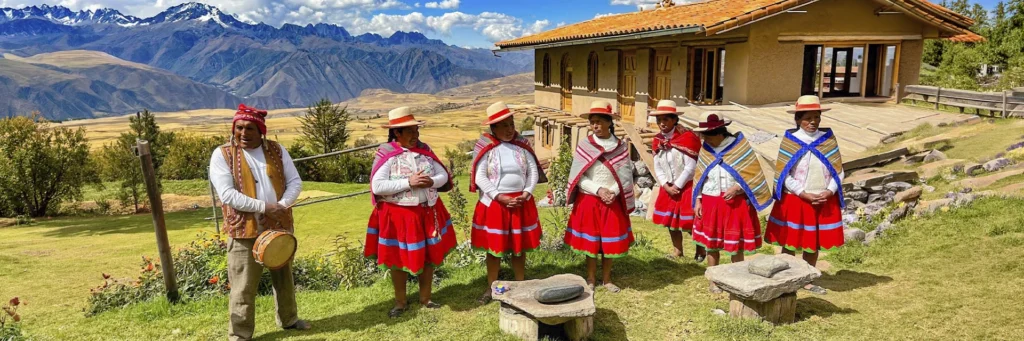
But in the hands of the women who continue weaving as their mothers, grandmothers, and countless generations before them once did.
Beyond the Market: Access to a Living Tradition
Many visitors pass through Chinchero while exploring the Sacred Valley.
Few truly encounter its soul.
Beyond the bustling market and panoramic viewpoints lies a deeper world—one rarely experienced through conventional tourism. Here, weaving is not a demonstration created for visitors. It remains an integral part of daily life, cultural identity, and community continuity.
This distinction matters.
Across the world, ancient traditions are often transformed into performances. In Chinchero, however, textile art remains alive because it continues to serve the community itself. Knowledge is transmitted naturally from one generation to the next, not through formal instruction, but through participation, observation, and shared experience.
For culturally curious travelers seeking authentic experiences in Peru, this creates something increasingly rare:
An opportunity to witness living heritage rather than its recreation.
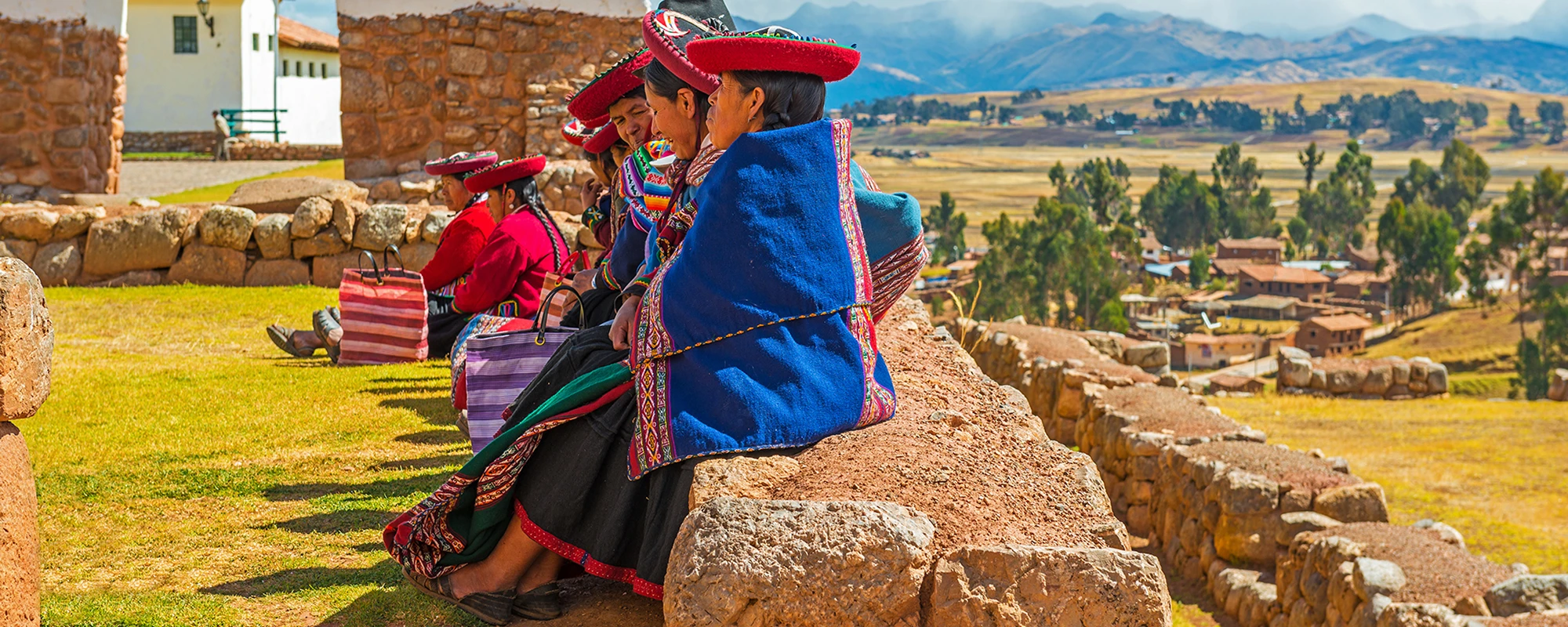
A Landscape Woven Into Every Thread
The road from the Sacred Valley climbs gently through fields of quinoa, potatoes, and barley. Along the way, the landscape feels suspended between centuries.
Upon arrival, visitors often discover that the colors found in Chinchero’s textiles originate from the very environment surrounding them.
A vibrant crimson emerges from cochineal insects harvested from prickly pear cactus.
Golden hues come from native plants.
Rich greens, browns, and earthy tones are derived from leaves, bark, flowers, and minerals gathered throughout the Andean highlands.
Nothing is rushed.
Fibers are carefully washed.
Pigments are prepared by hand.
Natural mordants fix color into the wool.
The resulting shades possess a depth and subtlety rarely achieved through synthetic processes. They seem inseparable from the mountains themselves.
Watching this transformation reveals a profound truth:
The textiles of Chinchero could not exist anywhere else in the world.
They are expressions of both culture and landscape.
The Hidden Language of the Andes
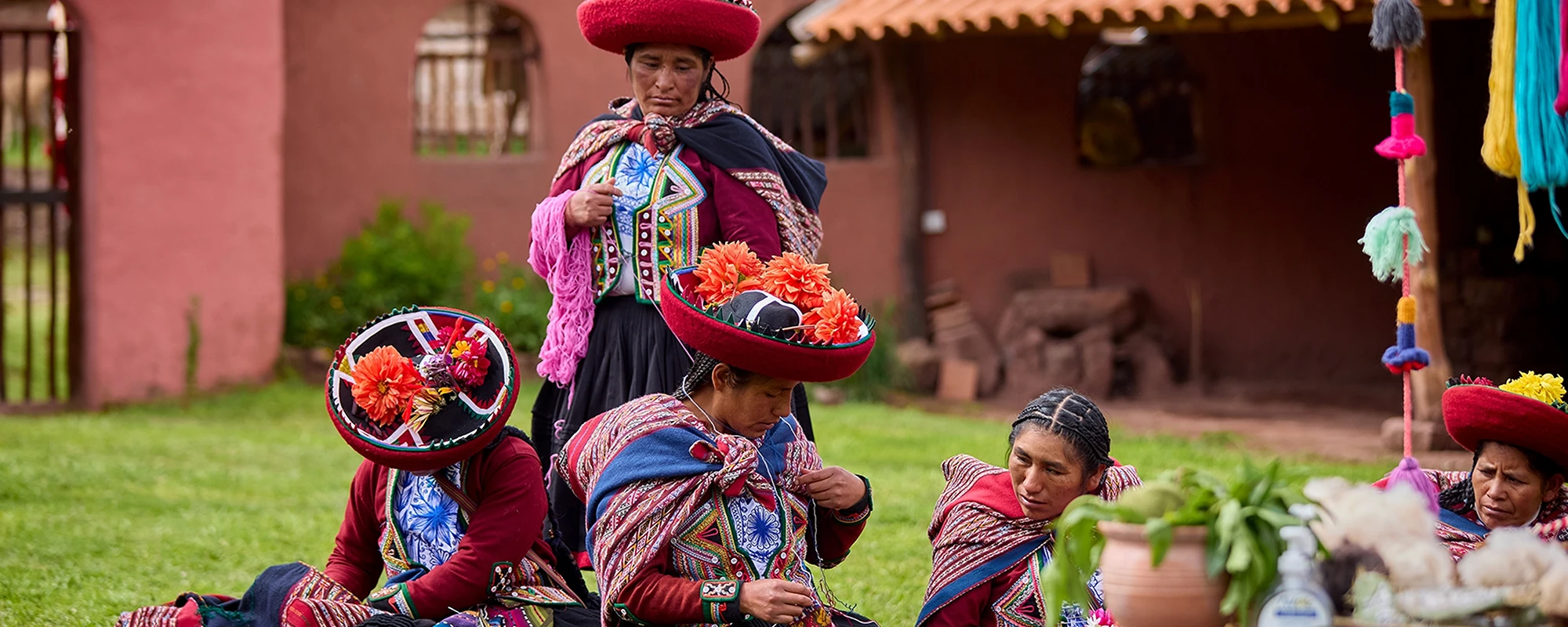
As the loom is prepared and the first threads are stretched into place, the complexity of Andean weaving begins to reveal itself.
To an unfamiliar eye, the patterns appear decorative.
To those who understand them, they are narratives.
Some motifs represent rivers and mountains.
Others symbolize fertility, protection, agricultural cycles, or communal identity.
Historically, textiles served as sophisticated forms of communication long before written alphabets became widespread in the Andes.
A woven piece could reveal where someone came from.
Which community they belonged to.
How they understood the world around them.
The act of weaving therefore becomes something much larger than craftsmanship.
It becomes an act of cultural preservation.
A conversation between past and present.
A living archive carried forward one thread at a time.
The Last Luxury: Knowledge That Cannot Be Replicated
Luxury has traditionally been associated with rarity.
Yet in today’s world, few things are rarer than knowledge preserved through uninterrupted human transmission.
The master weavers of Chinchero carry expertise that cannot be downloaded, outsourced, digitized, or mass-produced.
It exists because generation after generation chose to protect it.
Every textile embodies hundreds of hours of practice.
Thousands of inherited decisions.
Centuries of accumulated understanding.
For collectors, artists, historians, and sophisticated travelers, this realization often becomes the most meaningful aspect of the encounter.
The textile itself is beautiful.
The knowledge behind it is extraordinary.
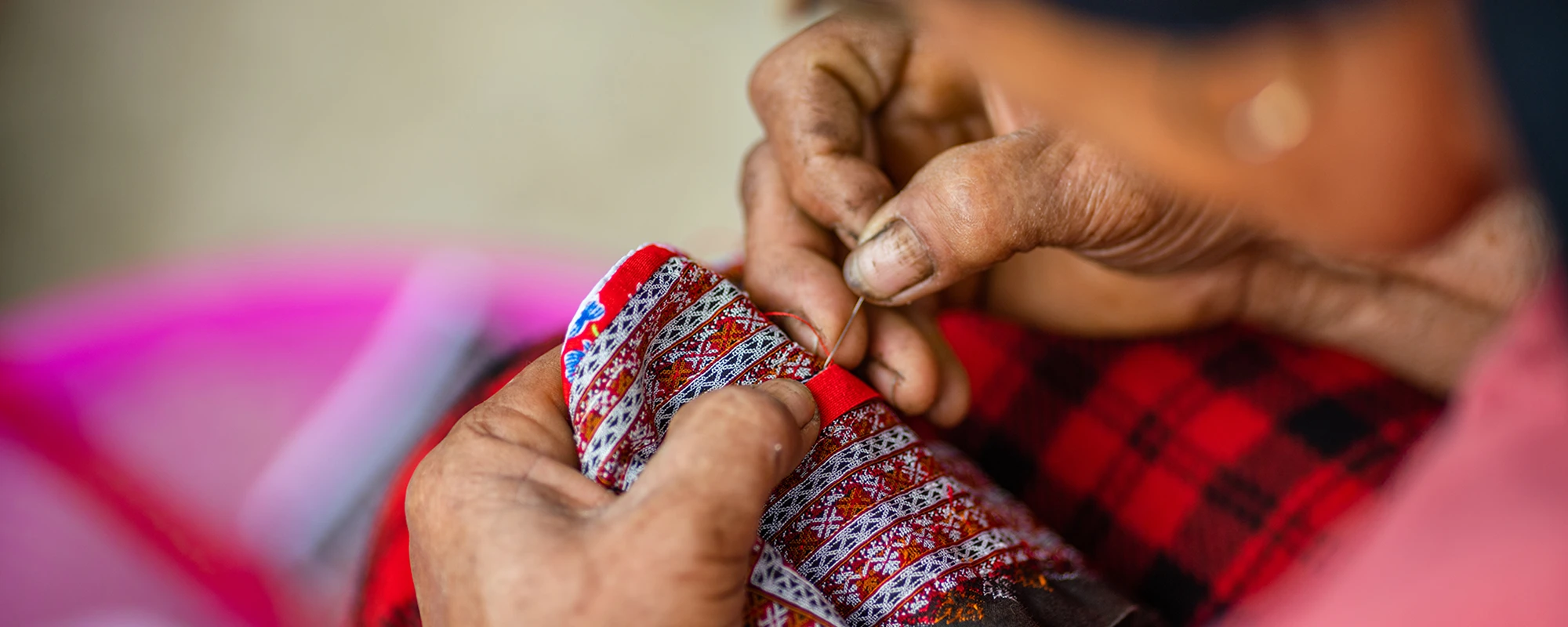
More Than a Cultural Experience
What begins as an introduction to traditional weaving often becomes something unexpected.
A reflection on how identity is preserved.
How communities maintain continuity across centuries.
How wisdom survives despite modernization and change.
In an era defined by speed, automation, and constant connectivity, Chinchero offers a different perspective.
One grounded in patience.
Craftsmanship.
Human connection.
And the enduring relationship between people and place.
The experience lingers long after the final thread is woven.
Listening to the Andes
As afternoon light softens across the highlands, the village settles into its familiar rhythm.
The mountains remain unchanged.
The loom continues its quiet cadence.
Threads cross and intertwine with patient precision.
From a distance, the movement appears simple.
Up close, it reveals an entire worldview.
The story of Chinchero is not ultimately about textiles.
It is about resilience.
About memory.
About belonging.
Most importantly, it is about the ways culture survives—not through monuments alone, but through everyday acts repeated across generations.
For travelers willing to look beyond the surface, Chinchero offers something increasingly difficult to find in the modern world.
Not a spectacle.
Not a performance.
But a conversation with living history.
A Private Encounter with Chinchero’s Master Weavers
At Kaymara Luxury Travel, we design private cultural experiences that provide privileged access to Chinchero’s living textile heritage.
Created for discerning travelers, collectors, artists, and seekers of meaningful journeys, these intimate encounters foster genuine connections with the people, traditions, and landscapes that continue to shape the Andean world today.
Because some histories are not written in books.
They are woven.