
There are countries celebrated for their cuisine.
And then there are countries that redefine what cuisine can be.
Peru belongs to the latter.
Over the past two decades, the country has emerged as one of the most influential gastronomic destinations on the planet. International recognition has often focused on its acclaimed chefs, award-winning restaurants, and innovative tasting menus. Yet to understand the true significance of Peru’s culinary revolution, one must look beyond the dining room.
Beyond the plate.
Because the story unfolding in Peru is not merely about cooking.
It is about ecology.
It is about geography.
It is about the extraordinary relationship between altitude, biodiversity, and human ingenuity.
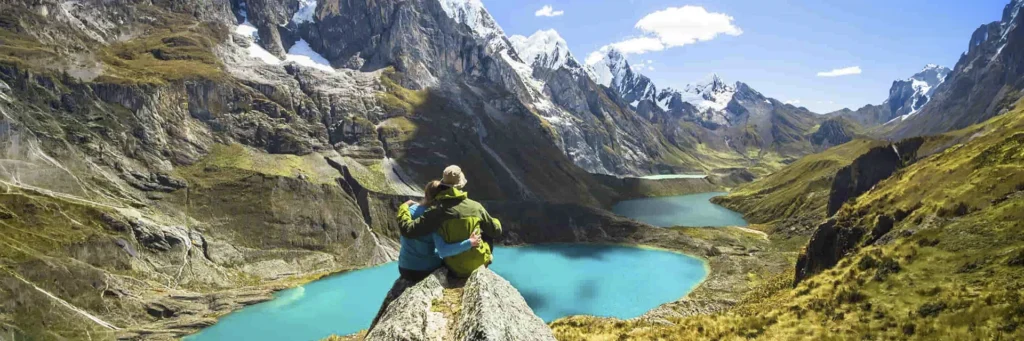
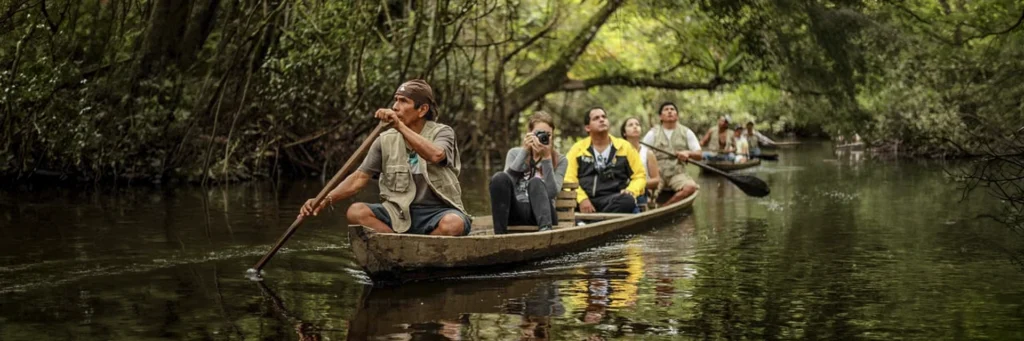
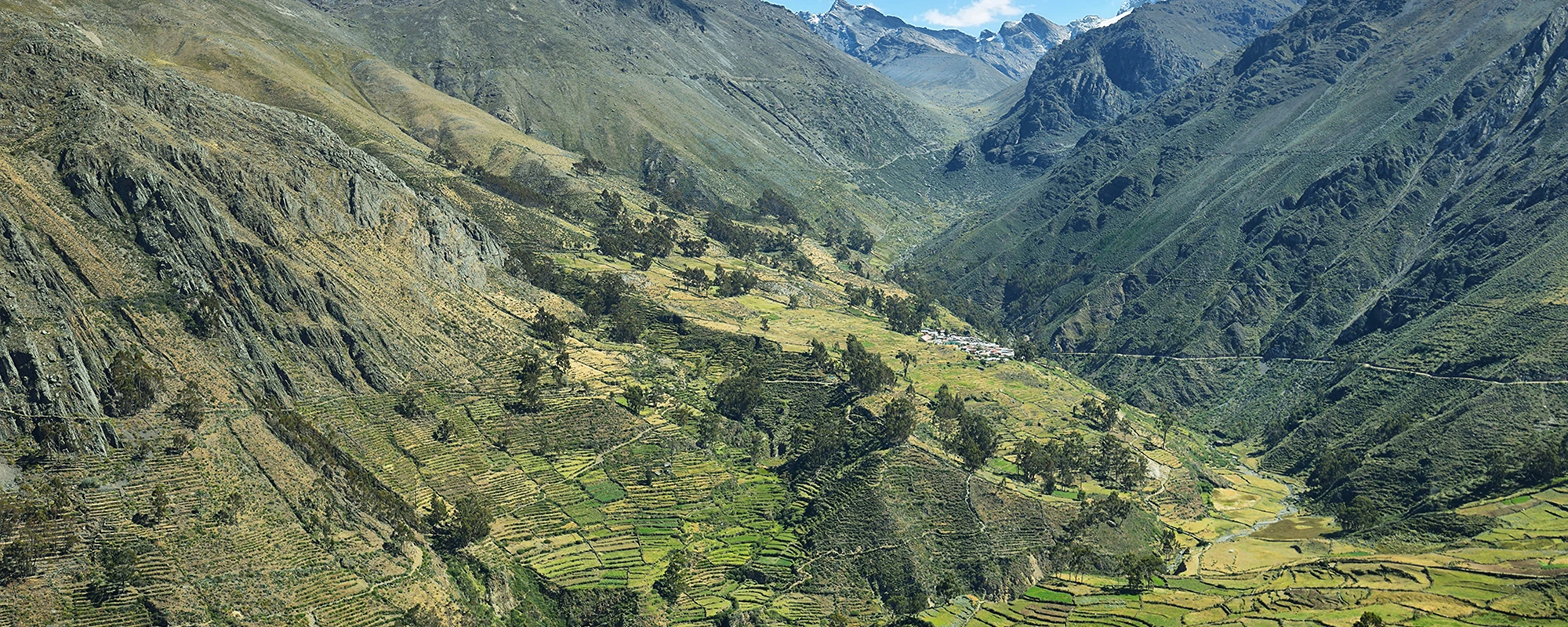
Stretching from the Pacific Ocean to the Amazon rainforest and rising through some of the highest inhabited mountain ecosystems on Earth, Peru contains an astonishing concentration of biological diversity compressed into a relatively small territory. Few places offer such dramatic environmental variation within such short distances.
For chefs, researchers, botanists, and gastronomic explorers, this diversity has become an unprecedented laboratory.
One where ingredients are not simply sourced.
They are studied.
Documented.
Protected.
And ultimately transformed into a new culinary language.
A Vertical Civilization
Most culinary traditions evolve horizontally, across landscapes and regions.
Peru evolved vertically.
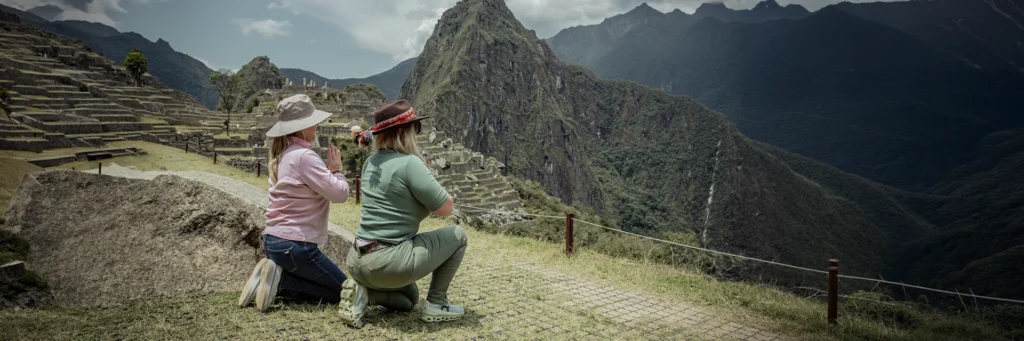
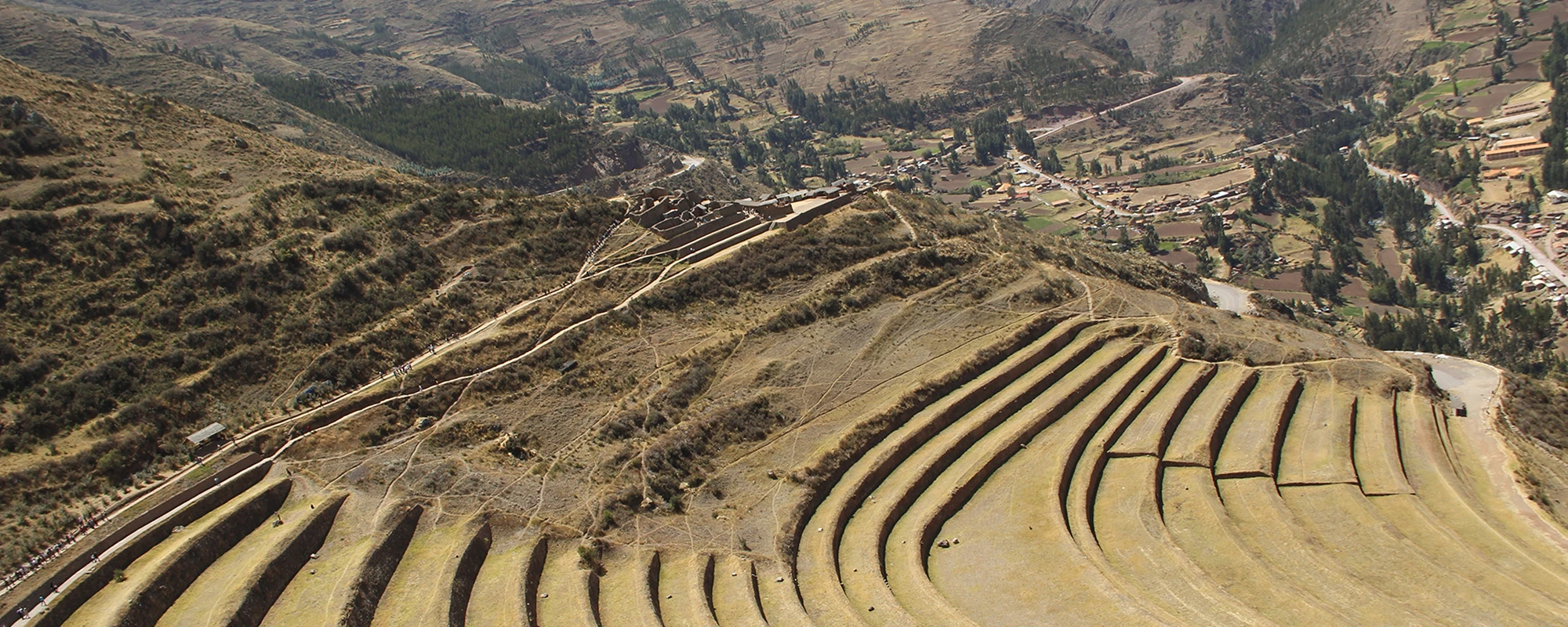
Within a few hours, one can travel from sea level to elevations exceeding 4,000 meters above sea level. Each ecological tier reveals distinct climates, soils, species, and agricultural possibilities.
This phenomenon, often described by anthropologists as the “vertical archipelago,” shaped Andean civilization long before the arrival of Europeans.
Ancient societies understood that survival depended not on a single ecosystem, but on access to multiple ecological zones.
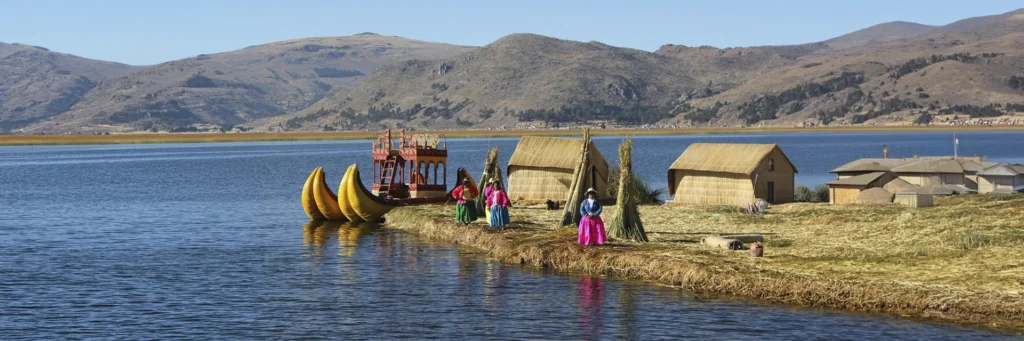
Communities established relationships across altitudes, exchanging products, knowledge, and resources between coastal deserts, temperate valleys, high-altitude grasslands, and tropical forests.
The result was one of the most sophisticated food systems ever developed.
Today, Peru’s most visionary chefs continue to draw inspiration from this ancient model.
Their menus are not organized around recipes.
They are organized around ecosystems.
The Ocean as Origin
The journey begins where the Andes meet the Pacific.
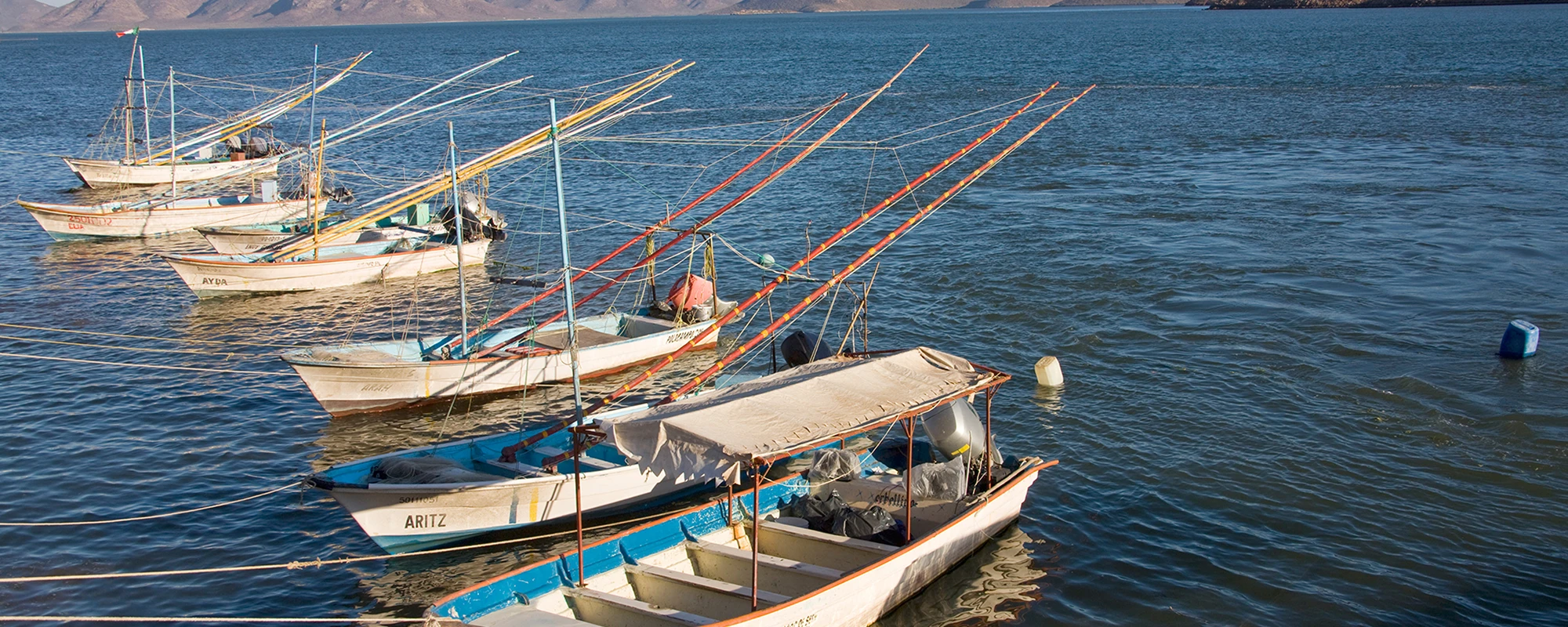
The Humboldt Current, one of the most productive marine ecosystems on Earth, creates extraordinary biodiversity along Peru’s coastline. Nutrient-rich waters sustain hundreds of fish species, marine plants, mollusks, and crustaceans that form the foundation of contemporary Peruvian gastronomy.
Yet modern culinary exploration extends beyond familiar ingredients.
Marine biologists and chefs increasingly collaborate to better understand algae, seaweeds, and coastal microorganisms that have historically remained outside mainstream gastronomy.
In Peru, the ocean is no longer viewed merely as a source of seafood.
It is regarded as an ecological archive.
A living system whose complexity continues to inspire new culinary possibilities.
The Botanical Wealth of the Andes
As the landscape rises toward the mountains, biodiversity expands in unexpected ways.
The Andes are often perceived as harsh environments.
In reality, they represent one of the most important centers of agricultural diversification in human history.
Thousands of years of experimentation transformed the region into a repository of extraordinary genetic wealth.
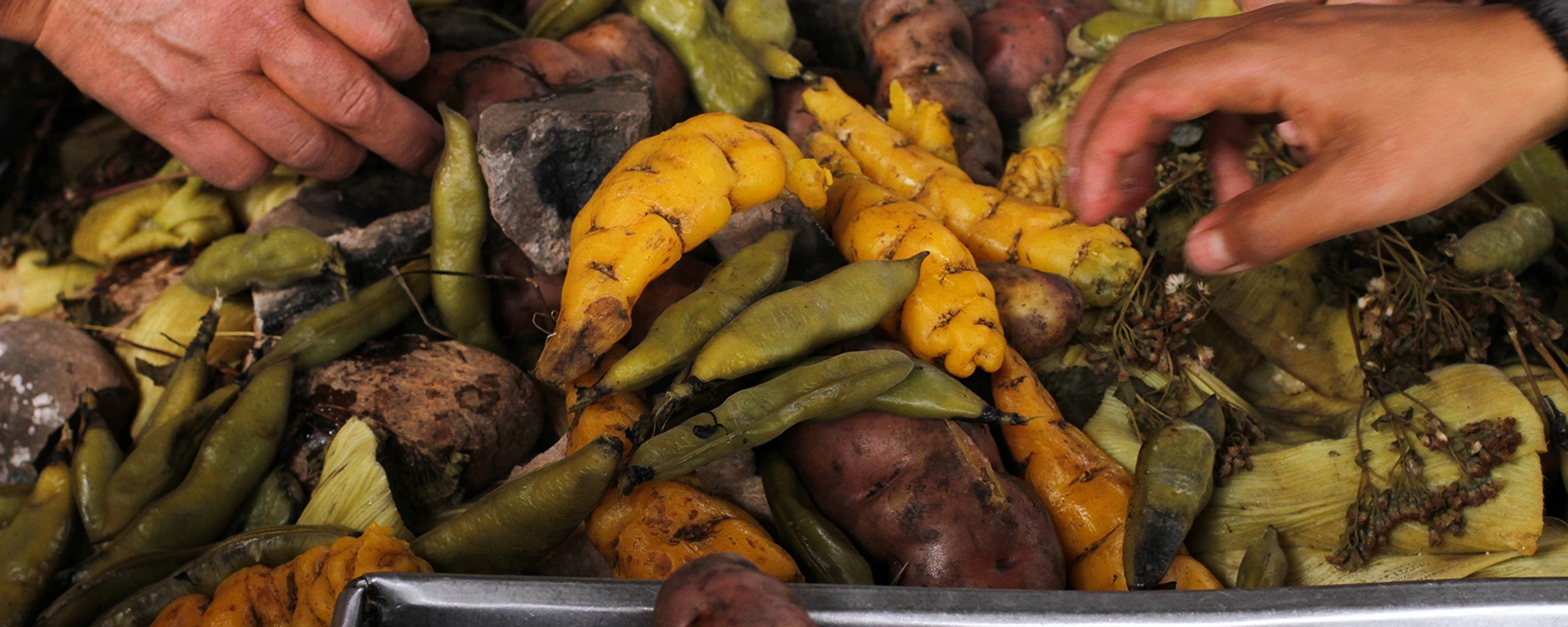
More than 4,000 varieties of potatoes have been documented in Peru.
Hundreds of native tubers continue to be cultivated in remote communities.
Ancient grains such as quinoa, kañiwa, and kiwicha thrive in conditions that would challenge most agricultural systems elsewhere in the world.
But perhaps most remarkable is the growing scientific interest surrounding native Andean botanicals.
Researchers continue to study endemic herbs, medicinal plants, edible flowers, wild fruits, and high-altitude species whose culinary potential remains largely unexplored.
For many chefs, these ingredients represent more than flavor.
They represent knowledge.
A direct connection between gastronomy, ecology, and cultural heritage.
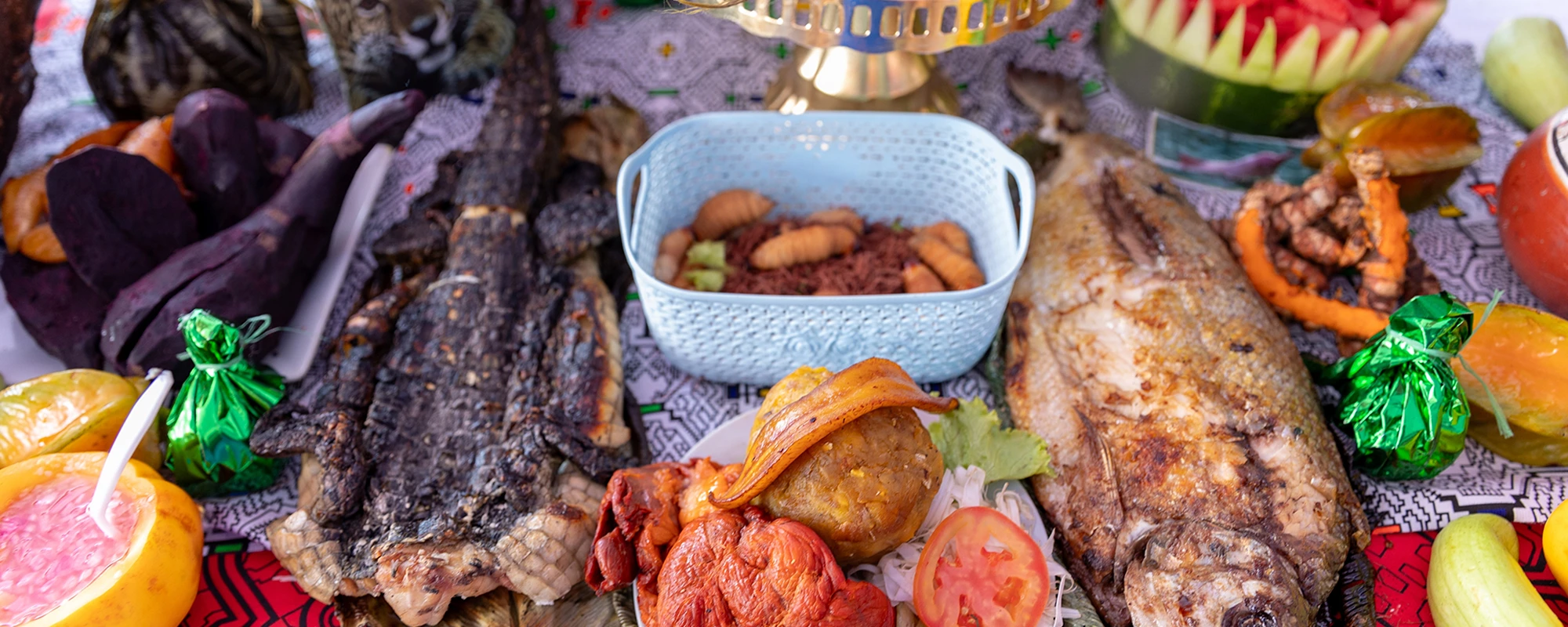
The New Explorers
The image of the chef has changed dramatically in Peru.
Today’s culinary pioneers often resemble field researchers as much as restaurateurs.
They travel into remote valleys.
Collaborate with agronomists.
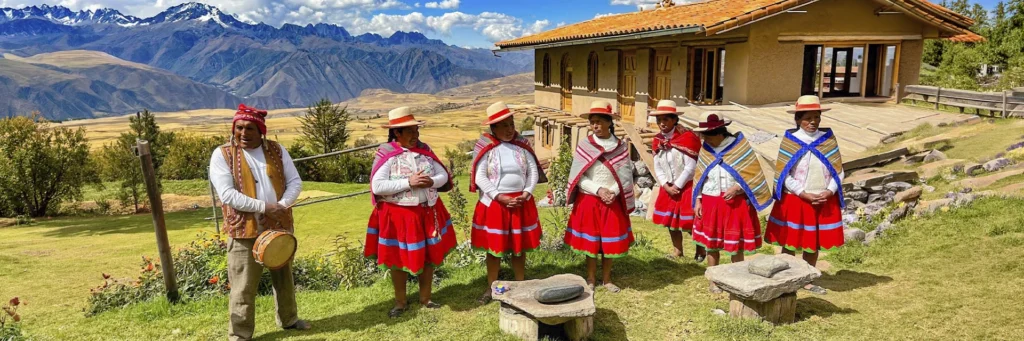
Work alongside indigenous communities.
Document forgotten ingredients.
Study ecosystems under pressure from climate change.
The objective is not novelty for its own sake.
It is understanding.
Some spend years researching a single species.
Others investigate ancestral preservation techniques or traditional cultivation methods adapted to extreme altitudes.
The resulting dishes are not merely creative expressions.
They become forms of ecological storytelling.
Each ingredient carries geographical context.
Each flavor reflects an ecosystem.
Each menu becomes a map.
Altitude as Philosophy
Perhaps the most fascinating aspect of Peru’s gastronomic avant-garde is its relationship with altitude itself.
Elevation influences everything.
Temperature.
Humidity.
Sunlight.
Soil composition.
Microbial activity.
Plant evolution.
Human adaptation.
Ingredients grown at 3,800 meters possess entirely different characteristics from those cultivated in coastal valleys or tropical forests.
Chefs increasingly embrace these distinctions rather than attempting to standardize them.
The goal is not uniformity.
The goal is expression.
To allow each ecosystem to speak through flavor.
In this sense, altitude becomes more than a geographical condition.
It becomes a philosophy.
A framework through which nature, culture, and gastronomy converge.
Beyond Sustainability
Around the world, sustainability has become a dominant theme in contemporary gastronomy.
In Peru, the conversation is evolving further.
The focus is increasingly shifting toward regeneration.
Preserving biodiversity.
Protecting native seed varieties.
Supporting traditional agricultural knowledge.
Strengthening local food systems.
Encouraging ecological resilience.
Many of the country’s most influential culinary projects now operate at the intersection of gastronomy, conservation, anthropology, and scientific research.
Restaurants become platforms for education.
Ingredients become ambassadors of ecosystems.
Dining becomes a form of environmental awareness.
Peru as the World’s Culinary Biodiversity Capital
For travelers who have dined in Copenhagen, Tokyo, Paris, or New York, Peru offers something fundamentally different.
Not simply exceptional restaurants.
Not merely innovative techniques.
But access to one of the richest biological and cultural food systems on Earth.
This is what distinguishes Peru from other gastronomic destinations.
Its cuisine cannot be separated from its geography.
Nor from its biodiversity.
Nor from the communities that continue to preserve ancestral agricultural knowledge.
The future of gastronomy increasingly depends on understanding where food comes from, how ecosystems function, and how cultures interact with their environment.
Few places are exploring these questions with greater depth than Peru.
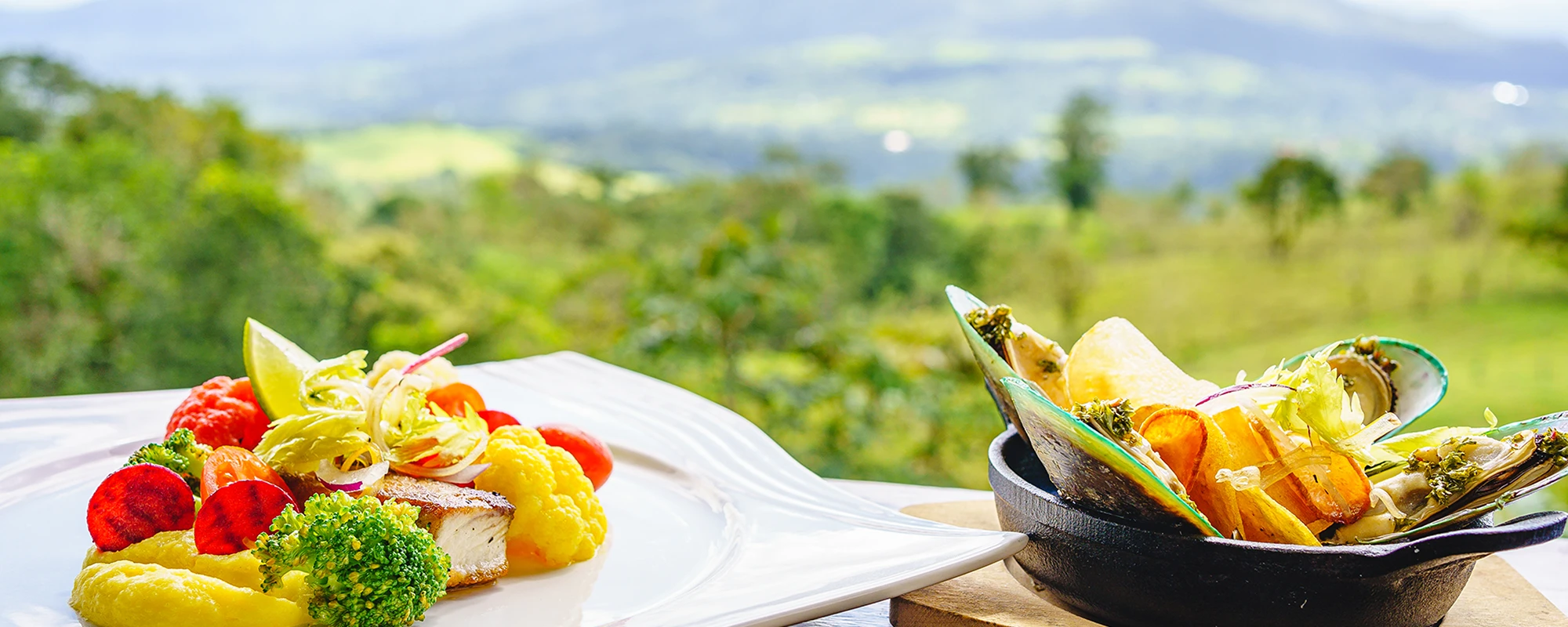
The Landscape Behind Every Dish
As evening descends across the Andes, the mountains disappear into shadow.
Fields cultivated for generations remain suspended between earth and sky.
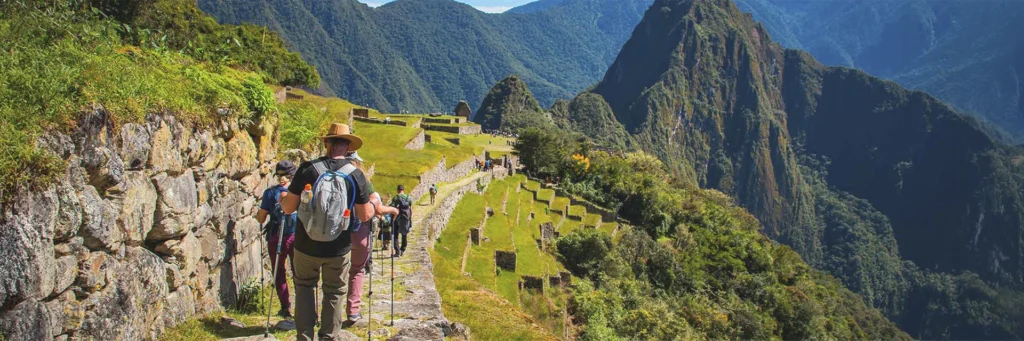
Ancient terraces continue their silent work.
Seeds saved by countless hands prepare for another season.
And somewhere, perhaps in a research kitchen overlooking the Sacred Valley or in a remote community at the edge of the altiplano, new ideas continue to emerge.
Not from trends.
Not from fashion.
But from the landscape itself.
Because in Peru, the most important ingredient has never been found on the plate.
It is the extraordinary ecological world that makes the plate possible.
A Private Journey Into Peru’s Culinary Frontiers
At Kaymara Luxury Travel, we design exclusive gastronomic journeys that go beyond restaurant reservations, offering privileged access to the landscapes, producers, researchers, and culinary innovators shaping Peru’s gastronomic future.
Created for discerning travelers, collectors of extraordinary experiences, and passionate gastronomes, these journeys reveal the ecosystems, cultures, and scientific discoveries that continue to redefine what cuisine can become.
Because the future of gastronomy is not only about what we eat.
It is about understanding the world that nourishes it.